
Transmission Vertical
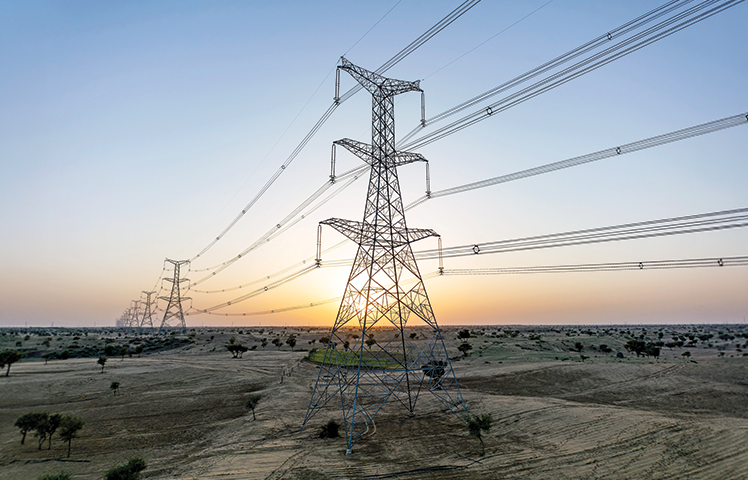
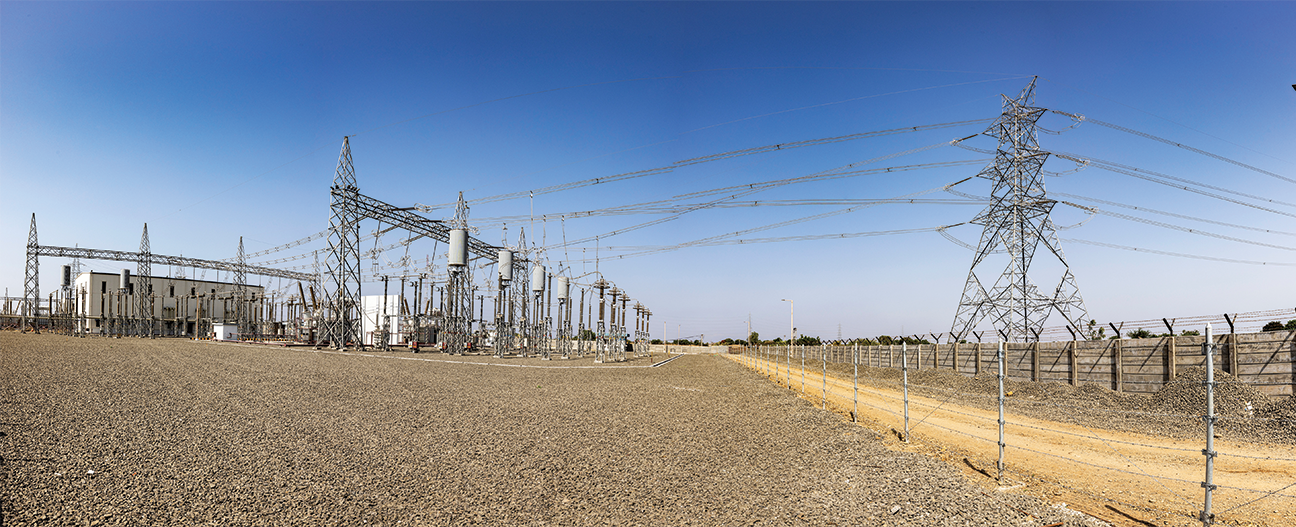
We are one of the largest private sector power transmission companies in India, operating a diversified portfolio of high-voltage AC and DC transmission lines and substations.
Cooling Solutions Vertical
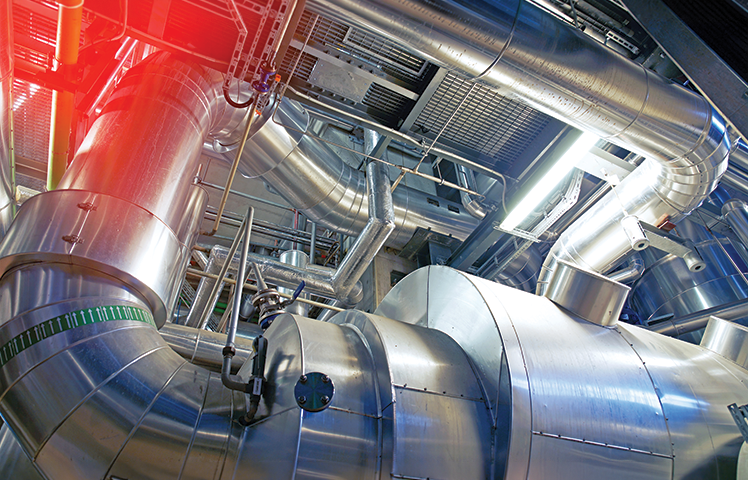
We operate the Cooling-as-a-Service business through Adani Cooling Solutions Limited, a subsidiary of Adani Energy Solutions, under Adani Energy Solutions Limited, to address the structural growth in India’s space cooling demand.
Smart Metering Vertical
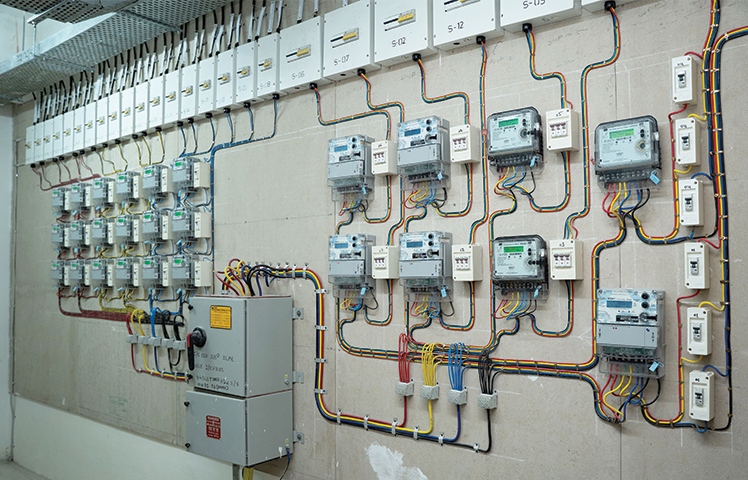
India is transforming its power sector with the installation of over 250 million smart meters, revolutionising energy distribution.
Distribution Vertical
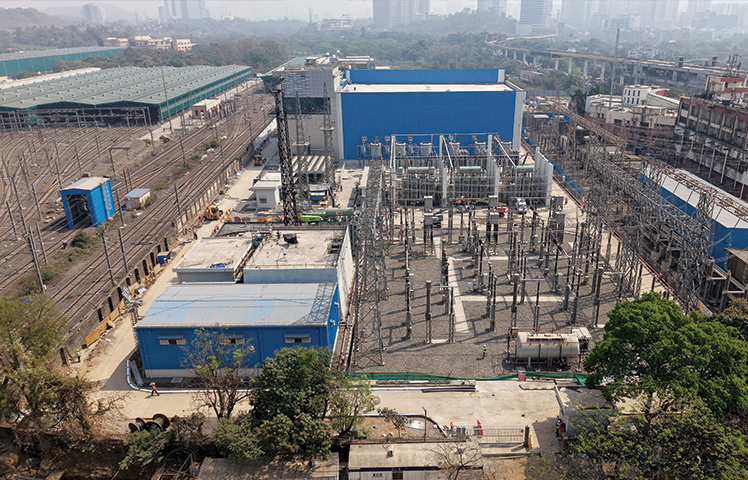
Our Distribution business delivers reliable last-mile electricity supply across diverse consumer segments through its two subsidiaries. We serve urban retail consumers through Adani Electricity Mumbai Limited (AEML) and address specialised commercial and industrial energy requirements through MPSEZ Utilities Limited (MUL).

Energy Solutions Platform Vertical
The Company’s Energy Solutions platform is emerging as a new strategic growth engine, positioned to accelerate the transition toward integrated, low-carbon, customer-centric, and digitally enabled energy solutions.
The network benefits from sustained investments in advanced technologies, supporting high availability and operating performance aligned with global benchmarks. Expansion and modernisation are pursued in parallel, strengthening grid resilience while improving asset reliability and efficiency.
Our growth strategy is anchored in the long-term opportunity within India’s transmission sector. We have set a target to develop 30,000 circuit kilometres of transmission lines by 2030, supported by a disciplined project execution framework. Capital deployment remains focused on sustainable infrastructure development, enabling large-scale renewable integration and enhancing the efficiency and reliability of the transmission system.

We are accelerating infrastructure at scale—expanding capacity, advancing critical corridors, and embedding intelligence across execution and operations to deliver a resilient, future-ready grid for India’s growing energy needs
Mr Kapil SharmaHead of Transmission Business27,949 ckm
Transmission network length added
1,23,175 MVA
Transformation capacity
Where We Operate
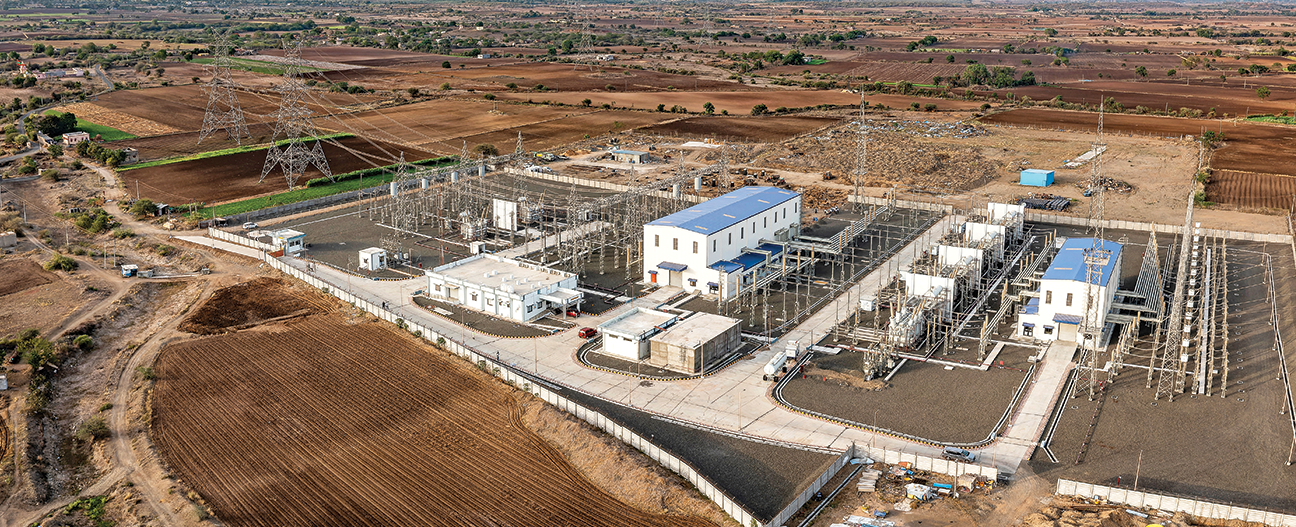
Adani Energy Solutions operates one of India’s leading private-sector transmission platforms, with a diversified portfolio spanning inter-state and intra-state transmission systems across multiple regions of the country.
The Company’s network extends across 16 states, supported by a geographically distributed asset base enabling reliable power evacuation and grid connectivity.
Adani Energy Solutions manages a significant portfolio of transmission infrastructure comprising transmission lines and substations with high transformation capacity, supporting both conventional and renewable energy flows.
The portfolio includes greenfield transmission projects, system strengthening initiatives, and renewable energy evacuation infrastructure, positioning Adani Energy Solutions as a key enabler of India’s energy transition.
The Company’s project pipeline spans operational assets, projects under construction, and planned developments, ensuring sustained scale-up in network length and capacity over the medium term.
₹ 8,793 crore
Capital expenditure incurred in FY 2025–26, reflecting continued investment momentum and execution strength
799 ckm
Added transmission operational network during the year
Execution-led Innovation
Deployment of advanced technologies such as Khavda stringing works drove faster and more efficient project execution
Key Concerns
The transmission sector operates within a dynamic and evolving ecosystem, characterised by multi-layered regulatory processes, large-scale project execution requirements, and strong market participation. The development of transmission infrastructure involves extensive coordination across statutory authorities, land acquisition frameworks, and right-of-way (RoW) alignments, which are inherent to the sector and may influence project timelines and execution sequencing across the industry. At the same time, the sector is supported by an extensive ecosystem of engineering, procurement and construction partners, equipment manufacturers, and skilled workforce, where overall capacity alignment and coordination across stakeholders remain important to ensure timely and efficient delivery.
The transmission business continues to attract robust participation under competitive bidding frameworks, reflecting its long-term growth potential and contributing to efficient tariff discovery. This evolving competitive landscape is fostering greater operational discipline, innovation, and execution excellence across the sector. Additionally, transmission projects involve multi-stage development processes, including route surveys, engineering validation, and environmental considerations, which, along with diverse geographical conditions and stakeholder interfaces, require integrated planning and execution approaches for seamless project development.
Company’s Take
Adani Energy Solutions continues to view transmission as a long-term, structurally resilient business with strong growth visibility, driven by India’s evolving energy mix and increasing power demand.
The Company is strategically positioned to benefit from a large transmission investment pipeline, estimated at significant scale over the coming years, driven by renewable energy expansion and grid strengthening requirements.
Adani Energy Solutions adopts a balanced portfolio approach, combining tariff-based competitive projects, regulated assets, and strategic developments aligned with network expansion needs.
The Company is focused on disciplined bidding, execution excellence, and operational reliability, ensuring sustainable returns while managing competitive intensity.
Continued investment in digitalisation, automation, and centralised grid operations is enhancing asset performance, monitoring, and reliability.
Adani Energy Solutions is strengthening its execution capabilities through partnership models, mechanisation, and advanced construction technologies, aimed at improving efficiency and reducing project timelines.
Our Edge
Project Execution Efficiency
- Advanced project management systems, including IPMS, enable real-time tracking of cost, timelines, and execution progress
- Adaptive deployment of manpower, capital, and supply chain resources supports timely delivery across projects
- Clear approval milestones, structured timelines, and regular reviews help manage execution risks and control cost overruns
- Strong governance through audits, inspections, and adherence to global quality and safety standards
- Strategic planning and resource discipline support consistent achievement of capex targets
Operational Efficiency
- Seamless integration of new SPVs into operations through a structured HOTO process
- System reliability strengthened through periodic audits, protection upgrades, and SCADA enhancements
- Digitalised SOPs and standardised protection documentation improve consistency and execution efficiency
- Internal subject matter experts enable faster troubleshooting, knowledge sharing, and operational continuity
- Cybersecurity posture strengthened through external audits and infrastructure upgrades
- Recognised through ISO certifications and national awards, reflecting operational and safety excellence
- Continuous engagement with industry platforms through technical papers and innovation initiatives
Energy Network Operations Centre (ENOC)
- Centralised, technology-led platform enabling remote operations and monitoring across transmission assets
- Major substations onboarded for unmanned operations, controlled remotely from Ahmedabad Corporate House
- Advanced analytics, automation, and security systems enhance operational visibility, control, and surveillance
Asset Performance Management (APM)
- Unique initiative in Adani for high-voltage assets, enabling data-led asset management decisions
- Transition from condition-based to reliability-centred maintenance improves asset availability and uptime
- Early defect detection and faster response cycles reduce O&M costs and improve lifecycle performance
Long-term Revenue Reliability
- Availability-based tariff structure with concession periods of up to 35 years provides stable and predictable cash flows
- A significant portion of transmission EBITDA is derived from sovereign-rated counterparties, supporting revenue certainty
Technological and Supply-chain Resilience
- End-to-end digital procurement enabled through ARIBA, with API and RPA integration
- Long-term contracts with key suppliers ensure material availability and execution continuity
- Domestic sourcing of OPGW reduces reliance on Chinese OEMs
- Long-term service contracts support uninterrupted O&M activities
- Vendor onboarding strengthened through ESG screening and compliance checks
Business Performance
We drive operational excellence through disciplined capital investment and targeted technology deployment. Automation and digitalisation improve efficiency, reduce losses, and support cost optimisation, strengthening system reliability and long-term performance. Network upgrades integrate resilience considerations to address environmental and operating risks.
The organisation is advancing operational excellence by reinforcing its Operations & Maintenance (O&M) capabilities through the following key initiatives:
Undertook
- Business Process Re-engineering (BPR) to make processes lean, efficient, and scalable, enabling improved agility and standardisation across operations
- 100% digitisation of end-to-end O&M processes, is in process, ensuring high-quality data capture from a unified “single source of truth,” while strengthening governance frameworks and enhancing overall productivity.
Implemented
- Asset Performance Management (APM) systems to continuously monitor asset health, enabling a strategic transition from scheduled/preventive maintenance to a more effective Reliability-Centered Maintenance (RCM) approach.
Leveraged
- Advanced technologies such as drones and AI/ML for transmission line inspections, enabling automated defect identification and reducing manual intervention.
Established
- Fully integrated digital systems to facilitate data-driven and system-based decision-making across operational layers.
Finalised
- Partnership-based O&M delivery model to ensure seamless, uninterrupted operational performance and improved service reliability.
Cost Optimisation
- Enabled remote substation operations through ENOC from day one, eliminating on-site manpower deployment, enhancing safety, and significantly reducing operational costs.
- Leveraged APM and data-driven analytics (online monitoring & historical trends) to transition to Reliability-Centered Maintenance (RCM), optimising maintenance frequency and delivering ~33% reduction in scheduled maintenance activities, resulting in tangible cost savings.
49%
Reduction in tripping in our existing assets
62%
Reduction in system downtime compared to FY 2025-26
13.5%
Reduction in transmission line transient faults
₹ 71,779 crore
Total order book as on March 31, 2026
Financial Performance Highlights
(₹ in crore)| FY 2024-25 | FY 2025-26 | |
|---|---|---|
| Revenue from operations | 8,317* | 9,824 |
| EBITDA excluding Other Income | 4,532 | 5,090 |
| Capex | 7,647 | 8,793 |
* The Transmission revenue numbers of FY 2024-25 have been restated due to introduction of Trading and Others segment in operating revenue
92%
Operating EBITDA
65.92%*
RE share in the electricity procurement mix
Read more on our sustainability achievements Pg. 149
*This includes 3,224.23 MUs procured (equivalent to 28.38%) for past period RPO compliance as per MERC.
Outlook
India’s power transmission sector is entering a high-growth phase, supported by the country’s ambitious plan to scale generation capacity to ~900 GW by FY 2035-36, with a strong emphasis on renewable energy. This transition is expected to create a significant investment opportunity of approximately ₹ 6–8 lakh crore in transmission infrastructure, particularly for integrating large-scale solar and wind capacities into the national grid. The sector has already seen robust momentum, with over ₹ 4.27 lakh crore of projects bid out between FY 2014-15 and FY 2025-26, and continued expansion planned through interstate transmission systems, green energy corridors, and high-voltage direct current (HVDC) networks to enable efficient long-distance power transfer.
The increasing share of renewable energy, especially across states such as Rajasthan, Gujarat, Karnataka, and Andhra Pradesh, is driving the need for enhanced grid flexibility, reliability, and capacity.
At the same time, the shift towards Tariff-Based Competitive Bidding (TBCB) has accelerated private sector participation, improving execution efficiency and cost competitiveness while ensuring long-term revenue visibility through regulated returns. With ongoing additions of transmission lines and transformation capacity, and a strong pipeline of upcoming projects, the transmission sector will continue to play a critical role in ensuring energy security and enabling a seamless energy transition for India.
STUDY
Empowering India’s Commercial Capital (Mumbai) with Pioneering HVDC Technology
Fueling a Constrained Megacity
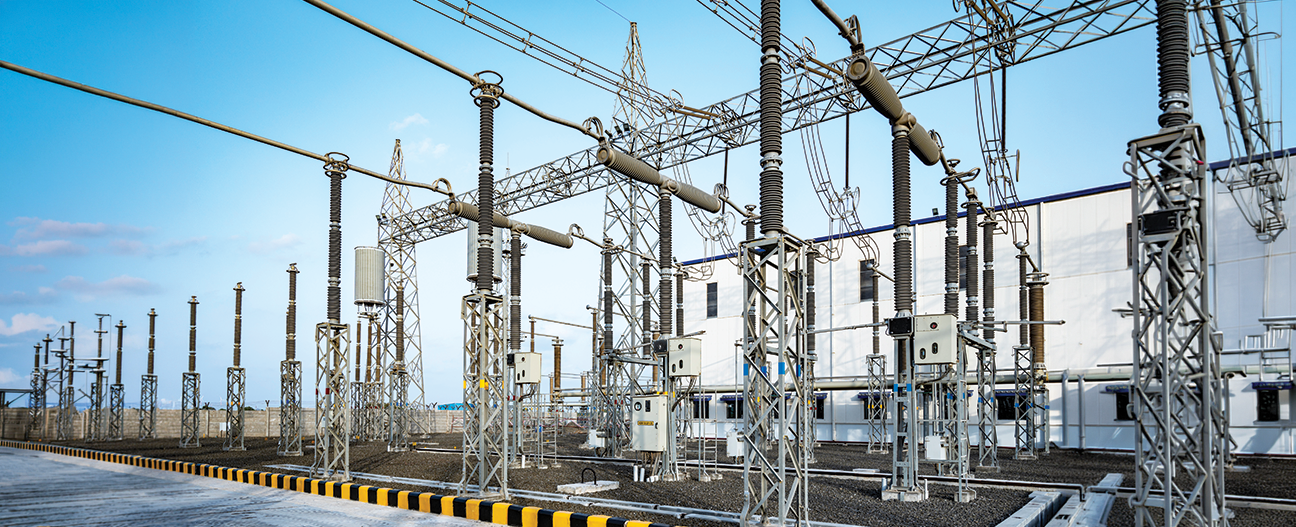
As India’s commercial capital, Mumbai’s peak power demand continues to surge alongside its vertical growth and mega-infrastructure projects. Currently, the city imports roughly 1,900 MW of power—over 50% of its total requirement—from outside its geographical limits. This heavy reliance on the existing Kalwa and Borivali alternating current (AC) corridors has led to critical congestion and grid vulnerability.
Furthermore, expanding traditional transmission infrastructure within Mumbai is practically impossible due to a severe lack of Right of Way (ROW) for new overhead lines and a densely populated urban landscape. The city urgently required a high-capacity power injection solution with a minimal footprint.
The Solution: A Virtual Generating Station
To address this complex challenge, Adani Energy Solutions spearheaded the development of the 1,000 MW Kudus-Aarey ±320 kV High Voltage Direct Current (HVDC) link. Operating as a “virtual generating station,” this state-of-the-art system injects bulk power directly into the heart of Mumbai’s load center.
Navigating the city’s geographical constraints, the project utilises approximately 80 kilometers of underground solid-dielectric extruded HVDC cables. Successfully routing a 320 kV cable through Mumbai’s cramped underground infrastructure is a major engineering feat, recently recognised and selected for presentation at the prestigious global CIGRE Paris 2026 Session.
Technological Innovations: First-of-its-Kind for this city
This project represents India’s first major city-infeed HVDC project utilising Voltage Source Converter (VSC) technology. This cutting-edge approach brings several unique advantages to the Mumbai grid:
- The VSC Modular Multilevel Converter (MMC) technology
- Black Start Capability: Unlike traditional transmission systems, this VSC technology features “Black Start” capabilities. In the rare event of a partial or total grid collapse in Mumbai, the HVDC link can independently restart and restore power rapidly, ensuring the city’s resilience.
Strategic Benefits and Impact
- Relieving Corridor Congestion
- Unprecedented Grid Stability
- Catalyzing Economic Growth
- Universal Utility Benefit
Accounting for Direct vs. Indirect Impact of People by this HVDC project
- Direct Impact (~12–15 million People): Residents who live directly within the central utility supply zones (Mumbai City & Suburbs) where power fluctuations and the threat of blackouts are completely mitigated.
- Indirect Impact (~5 million People): Floating commuter populations, metro riders, airport travelers, and commercial workforce members who do not live in Mumbai proper but rely on the city’s uninterrupted infrastructure daily.
Challenge:
These included navigating a complex urban environment with geographical constraints like creeks and forests, securing Right of Way (RoW) for an 80 km underground and overhead route, and obtaining numerous statutory clearances from multiple authorities in a timely manner.
Mitigation:
Adani Electricity Mumbai Infra Limited (AEML) adopted a state-of-the-art technological solution and meticulous project management to overcome these hurdles. The choice of compact VSC-based HVDC technology was crucial as it requires significantly less space than conventional systems. Employing underground cables, though technically demanding, proved to be the most effective strategy to navigate the urban sprawl and minimise public disruption.
Cooling requirements in India are expected to rise sharply over this decade, with significant implications for power demand, grid infrastructure, and emissions intensity. Unmanaged growth in cooling loads would place pressure on generation, transmission, and distribution systems while increasing the challenge of meeting Net Zero ambitions.
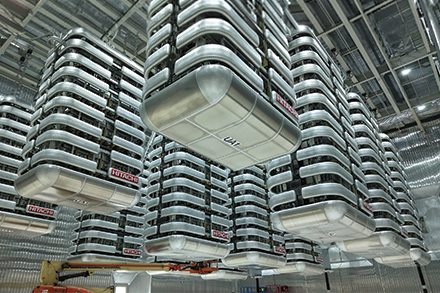
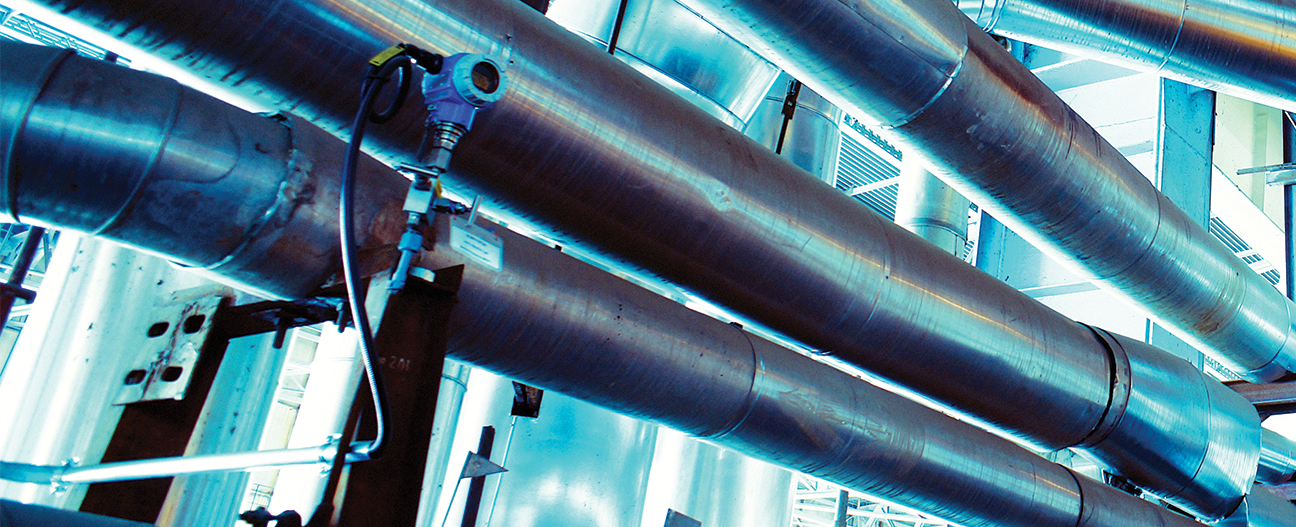
Our model is built around large, centralised cooling stations that produce chilled water and distribute it through underground networks to end users on a metered, pay-per-use basis. This approach materially reduces electricity and water consumption while lowering lifecycle cooling costs. We serve a diversified customer base spanning commercial and residential buildings, airports, data centres, industrial estates, and infrastructure developments, both within the Adani portfolio and externally across Tier-1 and Tier-2 cities.
~76,000 TR
Projects set to commission
76,782 TR
Projects under implementation
Adani Cooling Solutions Limited underwent a remarkable transformation in FY 2025-26, evolving from a single project-entity to a market-leading player with ~76,000 TR of projects under implementation which includes the largest Cooling Plant of India at Mundra and a robust pipeline of ~266,325 TR. What started as a bold vision to address India’s cooling gap with sustainable technologies, has today propelled us into a formidable force, powered by our team’s dedicated efforts, strategic collaborations with key stakeholders and nation-wide outreach initiatives covering all growth engines of Real estate, Airports, IT hubs, Industrial estates, Data Centers, Metro Rails etc.
Moving ahead, our focus remains on delivering innovative, customer-centric solutions and business models that not only drive operational excellence and long-term value but contributes meaningfully to Adani portfolio’s ambitious Net Zero target by 2050. We will continue to invest in scalable, efficient, and environmentally responsible technologies to transform the future of urban space cooling – one that is a smarter and more sustainable.
Mr Bhaskar SarkarChief Business Officer - Cooling SolutionsWhere We Operate
India’s cooling market remains significantly under-penetrated despite strong structural drivers such as rapid urbanisation, rising incomes, expanding real estate, and consistently high ambient temperatures. The country records the highest cooling degree days globally, yet per capita cooling consumption and air-conditioner ownership remain far below global and peer-market levels. This highlights the opportunities to grow in this sector.
Cooling demand is projected to multiply over the next decade, led primarily by space cooling, which is expected to account for a dominant share of total demand. Meeting this need through conventional, refrigerant-based systems would sharply increase installed tonnage, power generation requirements, and pressure on transmission and distribution networks. Policy frameworks such as the India Cooling Action Plan (ICAP) 2019 and District Cooling Guidelines 2023 therefore emphasise energy-efficient and centralised cooling solutions, including district cooling and thermal energy storage.
District cooling is gradually gaining policy and market attention as a scalable urban solution. Growth in this segment is expected to expand chiller-based installations and support sustainable urban infrastructure. Our joint market study with Cushman & Wakefield also identifies sizeable opportunity across commercial real estate, data centres, airports, industrial parks, and integrated townships, particularly in Tier 1 cities where demand concentration remains high.

8X | 11X
Growth in demand expected by 2027-38 in cooling and space cooling respectively
20% CAGR
Growth in DCS capacity expansion required to meet the critical need for energy-efficient and sustainable centralised cooling and thermal energy storage solutions (Source: ICAP in association & the Bureau of Energy Efficiency)
~43 million TR
Identified near-term market potential by the joint market study with Cushman & Wakefield
Key Concerns
Low penetration remains the primary structural gap, driven by affordability constraints, limited awareness, and fragmented adoption. Rising cooling demand also carries energy and infrastructure implications, including pressure on generation capacity and T&D networks.
Conventional cooling solutions risk higher emissions and energy intensity if growth occurs without efficiency measures. The sector therefore requires scalable, energy-efficient, and sustainable alternatives. Policy frameworks increasingly push for centralised cooling, efficiency standards, and thermal energy storage to manage future demand responsibly.
Company’s Take
The evolving cooling landscape presents a strong opportunity for structured and sustainable solutions. Centralised and district cooling models align well with the need for efficiency, scale, and lower environmental impact. Focus areas include commercial spaces, data centres, airports, industrial parks, and integrated townships where aggregated demand supports viable deployment.
Targeted presence in high-demand urban clusters allows a disciplined market approach. Emphasis on efficient technologies, system optimisation, and sustainable cooling infrastructure supports long-term value creation while aligning with national efficiency priorities. Our approach centres on capturing early-mover advantage in a high-growth but under-penetrated sector through scalable and future-ready cooling solutions.
Our Edge
Business Synergies
- Rising cooling demand drives higher energy needs, requiring additional generation and T&D capacity, while centralised cooling and DCS solutions help reduce power consumption, peak demand, and infrastructure costs
- Integrated operations create cross-business efficiencies through optimised infrastructure, lower power procurement and transmission costs, and secure, cost-effective electricity supply for cooling operations
- Thermal energy storage and renewable energy blending support effective demand management and enhance sustainability and affordability of DCS solutions
Indian Market Expertise
- Centralised cooling in India remains at a nascent stage with limited domestic competition and dominance of international players
- Strong understanding of the Indian regulatory and operating landscape supports execution of large and complex projects
- Alignment with the Adani portfolio strengthens contribution to sustainable infrastructure and net-zero ambitions
- Cooling solutions improve grid stability, optimise costs and emissions, reduce peak demand, and ease pressure on distribution networks
Integrated Offering
- Sustainable cooling solutions delivered under a DBFOO model through a Cooling-as-a-Service framework for large developments
- CaaS removes upfront capital expenditure, provides lifecycle metered cooling, and reduces HVAC maintenance requirements
- Advanced technologies enable optimised capital deployment, space utilisation, energy savings, and lower operating costs
- Solutions support reduced carbon footprint and lower water consumption, aligned with green building priorities
- Integration of thermal storage, renewable energy, and STP water enhances environmental performance
- Flexible power sourcing from grid, wholesale markets, or captive sources ensures reliable and tailored solutions
- Combined T&D and cooling expertise enables delivery across commercial real estate, industrial facilities, data centres, and airports
Business Performance
- Advanced construction underway on a ~23,200 TR cooling project under a customer cooling service agreement
- Shantigram Township project in Ahmedabad nearing commissioning, supplying chilled water to the Energy Centre complex
- Chennai project progressing as planned, with Phase 1 commissioning scheduled for FY 2026-27
- Mundra project finalised for a 45,000 TR centralised cooling system serving nearby manufacturing units
- Strong pipeline of ~266,325 TR across real estate, airports, IT hubs, industrial estates, data centres, and metro rail projects
- MoU signed with MAHAPREIT to explore cooling solutions opportunities across Maharashtra and other jurisdictions
- Collaboration focuses on Cooling-as-a-Service for Mumbai Metropolitan Region and other suitable locations
Sustainability Benefits
- Optimise energy consumption and lower related carbon/GHG emissions by 15%-25%, promoting a low-carbon future
- Reducing fire hazard risk as associated with conventional air conditioning systems
- Ensure a healthy microclimate with no heat island effect in buildings
- Reduce freshwater usage by reusing treated wastewater in cooling processes, helping buildings achieve platinum ratings for sustainability
- Water-cooled chillers, housed in a controlled environment with safety measures like refrigerant detectors, reduce refrigerant use and potential leaks and greenhouse gas emissions, thereby lowering ozone depletion potential
Outlook
Entering FY 2025-26, our focus remains on completing marquee projects at Shantigram and Mundra SEZ and advancing conversion of our ~250,000 TR pipeline of centralised cooling opportunities. We continue to evaluate and develop large independent cooling systems on public infrastructure land, including networks under municipal rights of way, serving real estate communities, townships, university campuses, and industrial estates. Strategic capital partnerships will support this scale-up as we build a strong portfolio of viable projects.
Enabling ecosystem development remains equally important. Partnerships with institutions such as AEEE, ASHRAE, and ISHRAE support industry adoption, while leadership in the AHEAD programme in collaboration with DPIIT, the Government of India, and the World Bank helps advance policy and regulatory support. Capability strengthening continues through evaluation of advanced cooling technologies for data centres with international partners and collaboration with consultants and developers to drive innovation and sector development.
In the last year, India’s smart meter project has progressed rapidly under the Revamped Distribution Sector Scheme (RDSS). Smart meters, deployed under Advanced Metering Infrastructure (AMI), enable real-time data capture, remote monitoring, and accurate billing, supporting distribution utilities in reducing losses and improving operational efficiency.
Smart metering is not just modernising power distribution—it is transforming the way India manages energy, empowering communities, and paving the way for a resilient and sustainable future.
Mr Pushpendrasinh ZalaCEO - Smart Metering Business11.4 million
Smart meters installed
10
Contracts
24.6 million meters
Current orderbook
₹ 29,519 crore
Revenue potential
103 million meters
Market opportunity
Where We Operate
India’s smart metering sector is undergoing a large-scale digital transformation driven by distribution reforms and the Revamped Distribution Sector Scheme (RDSS). The national push to replace conventional meters with prepaid smart meters reflects a broader shift toward data-driven utilities, improved billing transparency, and reduction of commercial losses.
The sector operates largely under a Total Expenditure (TOTEX)-based framework where private Advanced Metering Infrastructure Service Providers (AMISPs) finance, deploy, and maintain systems over long-tenure contracts, enabling faster rollout without upfront burden on DISCOMs. Residential demand leads deployment, while utilities increasingly rely on smart meters for real-time monitoring, demand management, and operational visibility. The programme also supports sector priorities such as improved supply quality, lower AT&C losses, and narrowing of the ACS-ARR gap.
250 million
Conventional meters to be replaced with smart meters under the RDSS scheme
Key Concerns
Large-scale smart metering adoption requires continued alignment across utilities, technology providers, and regulators. DISCOM financial sustainability and regulatory support influence investment and rollout momentum. Consumer awareness and adoption readiness also shape implementation effectiveness.
The transition to digital metering ecosystems brings increasing focus on interoperability, cybersecurity, and data privacy. Sustained policy support and ecosystem coordination remain important to realise the full benefits of smart metering for utilities and consumers.
Company’s Take
We have built a strong presence in the smart metering space supported by our experience in large-scale infrastructure and digital systems. We work closely with DISCOMs, regulators, and technology partners to support energy modernisation and operational efficiency.
Through a DBFOOT-led service model, we deliver end-to-end solutions covering meters, communication networks, cloud infrastructure, and data management systems. Leveraging its distribution expertise in Mumbai and Mundra, our ecosystem is evolving into an integrated solutions platform, supporting India’s goals for efficient and financially stronger distribution utilities.
Smart metering is accelerating India’s shift to intelligent, people-centric energy. It empowers millions from different walks of life with real-time visibility, smarter choices, and automated control. By connecting people, devices, and the grid, it builds a more inclusive and resilient digital energy future.
Mr Vaibhav TandonCPO - Smart Metering BusinessOur Edge
Business Synergies
- Strong alignment with national energy transition and distribution reform priorities
- Early mover advantage enables market leadership and long-term positioning in a high-growth segment
- Achieved one of the highest single-day installation records among AMISPs at ~40,000 meters
- First AMISP in Andhra Pradesh to cross the 8-lakh smart meter installation milestone
- AI-enabled quality checks and fully automated meter allocation to vendors
- AI-ML tools support automated meter validation and rapid activation
- Technology-led processes recognised at the national level for quality excellence
- Active role in building consumer awareness and shaping adoption of smart metering
- Trusted partner to DISCOMs in reducing losses, strengthening payment security, and improving operational efficiency
- Deep deployment expertise across regulatory alignment, legacy system integration, and DISCOM-specific requirements
Business Performance
Market Leading Position
- Established market leadership with ~19% share in RDSS smart metering projects
- 11.4 million meter smart meters installed as on March 31, 2026, demonstrating large-scale execution capability
- Track record reflects strong operational discipline and technology-led delivery
- Plan to deploy ~25 million smart meters aligned with the national target of 250 million installations
- Capability to manage complex, high-volume deployments with precision and efficiency
- Early-mover advantage supported by strong DISCOM partnerships and robust infrastructure
- Delivery of IoT-enabled smart meters and AMI systems strengthens utility operations
- Trusted partner to utilities in reducing AT&C losses, improving payment security, and optimising grid performance security, and optimise grid operations
Payment Security
- Smart meters enable real-time consumption tracking and automated billing for higher transparency and accuracy
- Reliable billing and revenue collection systems strengthen DISCOM financial discipline
- Prepaid billing, payment alerts, and digital payment integration support timely collections
- Prepaid systems reduce default risks by ensuring balance-linked consumption
- Smart metering helps curb theft, tampering, and metering inaccuracies, supporting AT&C loss reduction
- Data-driven insights improve revenue forecasting, cash flow planning, and financial visibility
- Improved revenue assurance supports DISCOM debt reduction and reinvestment in grid modernisation and renewable integration
- Strengthens overall financial and operational stability of distribution utilities
Collaboration with Leading DISCOMs
- MSEDCL (Maharashtra State Electricity Distribution Company Limited)
- APSPDCL (Andhra Pradesh Southern Power Distribution Company Limited)
- APCPSCL (Andhra Pradesh Central Power Systems Corporation Limited)
- APEPDCL (Andhra Pradesh Eastern Power Distribution Company Limited)
- BEST (Brihanmumbai Electric Supply and Transport)
- APDCL (Assam Power Distribution Company Limited)
- NBPDCL (North Bihar Power Distribution Company Limited)
- UPCL (Uttarakhand Power Corporation Limited)
- AEML (Adani Electricity Mumbai Limited)
Smart Meters Installed in FY 2025-26
(million)
Outlook
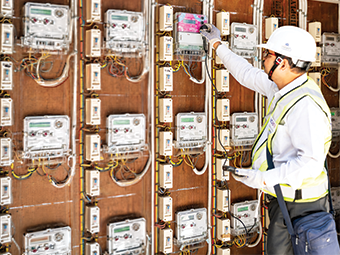
India’s smart metering ecosystem stands at the threshold of strong expansion as the country advances toward greater energy efficiency, supported by policy momentum and sector reforms. Demand for technology-led solutions continues to rise, attracting innovation and investment across the value chain. Realising the full potential of this transition will depend on disciplined and timely execution at scale.
In FY 2025-26, our priority centres on accelerating smart meter deployment and strengthening revenue realisation. We will participate actively in large-scale tenders to sustain our current market position and progressively expand our presence, with a target to grow our share over the medium term and reinforce our industry leadership.
We also continue to advance digital transformation across the business. Data analytics and AI-led tools will support operational efficiency and smarter decision-making. At the same time, we are evaluating adjacent opportunities such as gas metering, home automation, and other smart energy applications, ensuring our portfolio remains aligned with evolving market needs.
STUDY
Summary
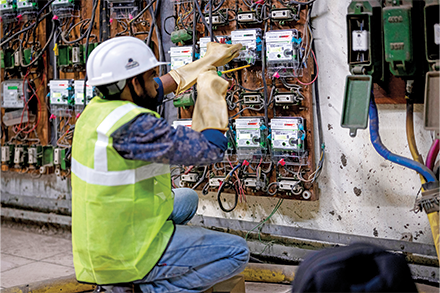
Adani Energy Solutions is executing one of the region’s large-scale advanced metering infrastructure (AMI) programs, involving the replacement of conventional meters with smart meters and continuing into seven years of operations and maintenance. Managing such a multi year, multi contractor and multi geography rollout required a planning approach more adaptive than traditional static models. To address this, Adani Energy Solutions deployed an AI ML enabled Planner Tool that creates a full lifecycle execution plan and continuously recalibrates it based on actual field performance. Through predictive forecasting, optimisation logic and automated deviation detection, the system improved manpower efficiency, reduced material stock-outs and strengthened schedule adherence. This allowed the deployment phase to stay consistently on track while ensuring stable, reliable performance across the subsequent O&M period.
Context
India’s national smart metering reform programmes have accelerated the rollout of AMI across utilities. Typically, these programmes span about two and a half to three years of planning, procurement, installation and commissioning activities, followed by seven years of operations and maintenance focused on meter health, communication reliability and overall service continuity. For distribution utilities, AMI implementation goes beyond a technology transition and becomes a complex operational challenge demanding organised workforce mobilisation across different contractors, precise inventory planning based on bill of materials and procurement lead times, navigation of seasonal and regulatory constraints, consideration of zone-wise productivity variations and consistent daily monitoring supported by structured governance. Traditional spreadsheet-driven methods tend to be static, making it difficult to respond to the real-time variability commonly encountered in field conditions. This often leads to risks related to delayed execution, misaligned resources and unanticipated cost increases.
Challenge
The AMI rollout covered highly heterogeneous operating environments influenced by differences in urban density, variations in contractor capabilities, climatic conditions and regulatory holds. Adani Energy Solutions faced issues arising from inconsistent workforce attendance and productivity levels, seasonal disruptions including monsoon or festival periods that affected execution momentum, uncertainties in inventory linked to lead times and stock out risks, and dynamic scope adjustments emerging from governance related holds. Manual planning cycles were unable to effectively manage these complexities due to limited predictive visibility. The static nature of traditional plans meant that deviations in field execution could not be dynamically absorbed, causing certain zones to have idle or under-utilised manpower while others were overstretched. Inventory planning also became reactive when material demand fluctuated from the initial baseline. The organisation therefore needed a system capable of modelling variability throughout the lifecycle, predicting realistic productivity patterns, aligning manpower and inventory in advance, detecting deviations early and recommending corrective measures.
Solution and impact
To address these structural challenges, Adani Energy Solutions implemented an AI ML enabled Planner Tool that redefined AMI execution as a continuously optimised cycle rather than a fixed, one time plan. The system works in two interconnected layers. The first is the proactive planning layer, which constructs a long horizon master execution plan by modelling expected workforce strength, ramp up behaviour, AI-driven productivity forecasts adjusted for seasonal factors, inventory demand built on lead time logic, regulatory hold calendars and zone wise meter mix characteristics. This layer ensures that the foundational execution roadmap accounts for anticipated variation and provides realistic timelines.
The second layer, a corrective or catch up engine, functions on a daily cycle, comparing actual achievements against the planned trajectory. It identifies deviations through anomaly detection logic, recalculates completion timelines, evaluates recovery measures such as workforce augmentation, productivity improvements or adjustments in the execution calendar, and ensures that zones performing well remain undisturbed. By continually synchronising manpower allocation, installation schedules and procurement planning, the optimisation engine creates a unified and responsive execution roadmap. Interactive dashboards offer ongoing visibility into progress, potential risk zones and the confidence level of forecasted outcomes.
The measurable outcomes illustrate the transformational impact of this approach. Adani Energy Solutions recorded a 25–30% improvement in manpower efficiency, accompanied by a 15–18% reduction in material wastage. Schedule adherence improved by nearly 30%, and planning cycle time was reduced by 60%. In addition, other overhead costs decreased by 20–25% and incidents of material stock outs were reduced by 50%. Beyond these numerical gains, the tool provided stronger governance by enabling objective and data-backed decision-making, facilitating proactive risk identification and improving coordination between field execution teams and supply chain planning units. Overall, the AI-enabled planning framework helped the utility sustain consistent progress during rollout and ensured operational steadiness throughout the O&M lifecycle.
Together, these businesses combine resilient network infrastructure, technology-enabled operations, and customer-focused service delivery to ensure uninterrupted and efficient power access. We continue to strengthen grid reliability, deploy advanced digital monitoring systems, and introduce smart energy solutions that improve operational efficiency while supporting India’s transition toward a modern and sustainable power ecosystem.
Where We Operate
India’s power sector has progressed rapidly, supported by policy reforms, infrastructure build-out, and a clear clean-energy direction. The country has moved close to universal electrification, while the ‘One Nation, One Grid’ vision has created a unified national grid that enables power transfer across regions and reduces dependence on local generation.
Capacity expansion and renewable energy deployment continue to enhance the energy mix. Clean energy additions are driving the sector’s growth trajectory, reduce coal dependence, and support a gradual transition toward a more sustainable and diversified power system. Transmission investments, including HVDC lines and inter-state corridors, strengthen grid stability and allow efficient transfer of power from surplus to deficit regions.
Key Concerns
The distribution segment continues to carry structural stress. Elevated AT&C losses, financial pressure on DISCOMS, and operational inefficiencies affect sector health. Variable renewable energy also introduces integration complexities, including curtailment arising from grid constraints and intermittency.
Policy direction increasingly focuses on loss reduction, shared infrastructure, storage adoption, and grid modernisation. Sector priorities now centre on flexibility, financial discipline, and long-term sustainability alignment.
Read further
National Electricity Policy, 2026
Company’s Take
Within this evolving landscape, we operate as a leading private utility in Mumbai, delivering reliable and high-quality power in one of India’s most demanding urban markets. The Company supports a large and dense consumer base through a well-maintained network and disciplined operational practices that keep losses among the lowest in the country.
Our approach emphasises technology, digitisation, and smart infrastructure. AI-enabled operations, renewable integration, and system upgrades improve efficiency and affordability while strengthening resilience.
Rapid urbanisation and rising expectations for sustainable and tech-enabled energy shape the market environment. We respond through continuous innovation, future-ready investments, and service quality focus, reinforcing its position as a benchmark utility in India’s power sector.
Adani Electricity Mumbai Limited
Business Performance
FY 2025-26 reflected strong growth and operational excellence, supported by rising demand across Mumbai and steady expansion of its customer base alongside higher per-user consumption. Operational performance strengthened as distribution losses reached historic lows through sustained network upgrades, smart technology deployment, and focused loss-reduction efforts that reinforced efficiency and financial stability. Transmission availability and overall supply reliability remained at industry-leading levels, ensuring consistent and dependable power flow. Fewer and shorter interruptions signalled improved network resilience and faster restoration response.
Customer Base
(million)
Units Sold
(million units)
Distribution Loss
(%)
Regulatory Asset Base
(₹ crore)
Operational Performance Highlights
| FY 2025-26 | FY 2024-25 | |
|---|---|---|
| System Average Interruption Duration Index (SAIDI) (mins)# | 12.91 | 21.27 |
| System Average Interruption Frequency Index (SAIFI) (nos.)# | 0.42 | 0.67 |
| Customer Average Interruption Duration Index (CAIDI) (mins)# | 30.82 | 31.58 |
| Supply Reliability (ASAI) (%) * | 99.998 | 99.996 |
| Transmission availability (%) * | 99.47 | 99.31 |
| E-payment (% of total collection) * | 85.5 | 83.34 |
| Collection efficiency (%) * | 100.54 | 101.03 |
| Number of complaints# | 3,99,049 | 5,68,037 |
*Higher the better # Lower the better
SAIDI – indicates the average outage duration for each customer served
SAIFI – indicates an average number of interruptions
CAIDI – indicates the average time required to restore service during a predefined period
Financial Performance Highlights
(₹ in crore)| FY 2025-26 | FY 2024-25 | |
|---|---|---|
| Revenue from operations | 11,661 | 11,677 |
| Operating EBITDA | 2,046 | 2,142 |
| Capex | 1,710 | 1,630 |
Sustainability Performance
Adani Electricity Mumbai Limited integrates sustainability into its utility operations by focusing on resource efficiency, waste reduction, and circular economy practices. Technology-led initiatives support responsible material use while meeting current energy requirements. These actions strengthen environmental performance and support a more sustainable long-term operating model.
Highlights65.92%*
Share in RE procurement mix
19%
T&D Losses Reduction w.r.t. FY 2023-24
91.26%
Reduction in Scope 1 & 2 -GHG Emission Intensity per EBITDA ₹ crore
Read more on our sustainability achievements on Pg. 149
*This includes 3,224.23 MUs procured (equivalent to 28.38%) for past period RPO compliance as per MERC.
Over the year, our emphasis on customer satisfaction, operational discipline, and digital advancement has driven meaningful improvements across our operations. By strengthening internal processes and adopting new technologies, we continue to enhance service delivery while building a resilient and future-ready organisation.
Mr Ramesh SharmaHead of business - AEML| Sr. No. | Name of Award | Highlights / Content |
|---|---|---|
| 1 | SAP ACE Awards 2025 | AEML received “SAP ACE Special Jury Recognition Award 2025” in the Disruptor Customer Experience Management category. |
| 2 | Golden Peacock Award for CSR - 2025 | AEML won the “Golden Peacock Award for Corporate Social Responsibility - 2025” in the Power (Distribution) sector. |
| 3 | Chapter Convention on Quality Concept (CCQC) - 2025 | 1. Conducted by QCFI, Mumbai Chapter in Sep’25 2. All 15 teams received “Gold” award. |
| 4 | 5S Home Virtual Competition | 1. Organised by the QCFI - Mumbai Chapter on October 10, 2025. 2. AEML received 11 Gold, 7 Silver and 3 Bronze Awards |
| 5 | National Convention on Quality Concept (NCQC) - 2025 | 1. Conducted by QCFI at Greater Noida in Dec’25 2. AEML received 5 “Par Excellence” and 4 “Excellent” awards. |
| 6 | High Performance | Utility” award awarded by the Central Electricity Authority (CEA), Ministry of Power. |
| 7 | Annual Distribution Utility Ranking | No 1 in Annual Distribution Utility Ranking, by Ministry of Power |
| 8 | Consumer | Service Rating of DISCOMs Received A+ Grade for outstanding customer service given by Consumer Service Rating of DISCOMs (CSRD) by Rural Electrification Corporation (REC) |
STUDY
1. Customer Service- AI/ML based complaint predictions
Performance Outlook:
Adani Electricity Mumbai Limited (AEML) has implemented AI/ML based complaint prediction which is Early and personalised alerts based on intelligent analytics to bring transparency and awareness about consumption and bill. It focuses on Data Collection, Correlation, Model Building, Deployment and Utilisation. The model output was extensively used for mass and personalised communication during heat wave, drastically reducing the number of High Consumption complaints.
Key Outcomes:
1. Reduction in High consumption complaints
- Complaints were reduced by 34% between May24 to Aug24 as against same period in 2023
- Consumption comparison (Individual and area) worked well
2. Saving in Operational Expenses
- Reduction in complaints results in saving of ₹ 43L for this period
3. Increased consumer footfall at web site
- Consumer footfall at “Energy calculator” option available at Web site increased by 250%
- Increased engagement with “My account” features
Implementation and Deployment:
The model output is extensively used for mass and personalised communication during heat waves.
Modifications in knowledge base are carried out based on influential factors specific to billing are carried out and agents are trained for billing specific events.
Mass Communication:
- Area with high density of probable High consumption complaints was identified. (top 3 areas)
- Banners informing about possible increase in consumption on account of heat waves were placed on pillars / junctions for consumer visibility and information.
Digital Communication:
- Use of social media platforms for awareness
- Send emails with personalised text and peer analysis
- Outcall probable high consumption complainants.
2. Customer Service (Advanced CRM)
Performance Outlook:
Adani Electricity Mumbai Limited (AEML) has implemented SAP C4C CRM helps in engaging customers better and make data-driven decisions. It provides a 360-degree view of customer data which includes, customer complaints, Customer details, complaint source, customer repeat count, case history, actions take etc.
The launch of the C4C portal marks a major milestone in enhancing consumer service operations. By integrating multiple functionalities into a single platform, enabling greater transparency, and automating key processes, C4C has improved operational efficiency and customer satisfaction significantly. The teams now have the tools needed to respond faster, track interactions comprehensively, and manage issues with greater clarity and speed.
Key Feature of SAP C4C:
All in One View
C4C provides a unified portal where all consumer details and their associated tickets are accessible in one place. All types of consumer communication can now be managed within a single application, simplifying workflows. This consolidated view simplifies case management and improves efficiency for supporting teams. This helps agents respond accurately to consumer queries. Reducing overall handling time.
BDTS Integration and CCM integration:
- The BDTS (Bill distribution Tracking System) is also integrated into C4C for comprehensive data access which reduced dependency on the team leaders to check the status of physical bill delivery and attend specific Bill not received related queries promptly.
Auto Order Creation:
- One standout feature of C4C is the automatic generation of orders based on the cause category selected within the system.
- This automation reduces manual effort and accelerates the processing of consumer requests.
Overall Source Wise Ticket Creation:
- One view of overall tickets covering customer details, source, category, ticket no. Etc. This helps team monitor turnaround times of Complaints and Request.
- Helps the ground team take timely actions and monitor data at the zonal level.
Bill and other details on Fly:
- The request for duplicate bill is resolved on a real-time basis by sharing the bill copy with the customer while on call with a single click. This has significantly reduced lead time in sharing information/bill copies/forms with consumer.
- Ensure customer satisfaction and first-time resolution.
Availability of Call Recording against Inbound Registered Complaints:
- Call recordings for Inbound cases can be viewed from C4C platform
- This ensures team to improve quality and same is used as input for process improvement opportunities.
3. Bill Distribution Tracking System (BDTS) & BD Mobile App
Problem Statement
- Adani Electricity Mumbai Limited (AEML) manages monthly bill distribution for around 80,000 bills every day across its seven divisions in Mumbai.
- Earlier the entire process was dependent on legacy Java-based applications, manual tracking sheets and disconnected reconciliation between SAP, printers and customer communication systems.
- This old setup created multiple pain points: there was almost no real-time visibility of where bills were in the delivery cycle, teams had to do a lot of manual follow-ups for every Bill Not Received (BNR) complaint, allocation and re-assignment of delivery workloads was inefficient, and the legacy applications were unstable and costly to maintain. Overall it increased operational burden, delayed complaint resolution and affected customer experience.
Performance Outlook
- Since the rollout in May 2025, BDTS is delivering steady improvement and is expected to keep showing benefits well into 2026 and beyond. The system has already laid a strong digital foundation that should help reduce BNR complaints further through better proactive alerts and analytics.
- We anticipate that self-help resolution for BNR cases can go even higher (beyond the current 50%), while the platform continues to handle 80,000 bills daily with full digital traceability. Legacy system sunsetting has already saved the equivalent of two full-time resources annually and improved overall stability.
- Going forward BDTS will support more low-code digitisation projects across AEML and strengthen field-level controls with geofencing and face recognition, making operations more secure, scalable and cost-effective.
Implementation and Deployment
The solution was built on the Low Code Mendix platform and consists of two main parts:
- BD Mobile App – used daily by vendor field staff to execute and update bill deliveries
- BDTS Portal – central dashboard for monitoring, reconciliation and administrative control
It was rolled out exclusively for vendor users starting May 2025. Key features put in place include:
- Automatic allocation of bill books to vendors with real-time reassignment of any un-delivered bills
- Instant BNR alerts, data enrichment for complaints and bulk flagging for high-volume areas
- Full end-to-end reconciliation between SAP, printers and BDTS for complete traceability from printing to delivery
- Integration with CCM for communication and C4C (CRM) for faster complaint handling
- Geofencing to validate delivery locations + Face Recognition System (FRS) for secure user login
- Google Maps integration for accurate navigation and address location
- API support for self-help channels and COID-based operational reporting
- Storage optimisation already completed; PowerBI dashboards for reconciliation and trend insights are now live
Key Outcomes
The implementation has delivered clear and measurable results:
- 40% reduction in BNR complaints compared to the previous year
- 50% of BNR cases now resolved through self-help channels instead of call center
- 80,000 bills per day are now tracked digitally from start to finish
- 2 full-time equivalent resources freed up by retiring the old Java-based application
On the qualitative side, operations have become far more transparent, complaint root causes are identified and closed much faster, audit trails and compliance have improved significantly, and field accountability is stronger due to location + biometric controls. Post-go-live, BNR complaints have stabilised and shown a clear declining trend over several months. Targeted paperless bill campaigns have also become possible because of the rich data coming from BDTS.
Current Status
Core BDTS functionality is fully stable and in daily use. Storage tuning is done and under observation. PowerBI reconciliation dashboards and insights publishing are complete.
Key Takeaway
BDTS is a solid example of successful low-code digital transformation at AEML. It replaced an unreliable legacy system, brought measurable cost savings and efficiency gains, dramatically reduced customer complaints, and built a scalable digital backbone for future initiatives. The learnings from this project are already being used to plan and roll out similar improvements in other areas.
MPSEZ Utilities Limited
Business Performance
In FY 2025-26, MUL’s distribution business showed robust performance, meeting a 20% increase in energy demand, with 99.97% supply reliability and low distribution loss of 1.90%. The Company focused on digital enhancements, optimising productivity, and achieving Sustainable Development Goals. MUL ensured 100% digital payment, streamlined bill verification, and maintained high customer satisfaction with a 24/7 control center. We strengthened our 66 kV and 11 kV ring system across the licensee area by implementing advanced automation that enables faster response during outages and significantly enhances overall system availability. The automated ring configuration ensures seamless load transfer, quicker fault isolation, and minimal service interruption—reducing manual intervention, improving operational resilience, and ensuring a more reliable and efficient power supply to our consumers.
Customer Base
(Nos.)
Units Sold
(million units)
Distribution Loss
(%)
Regulatory Asset Base
(₹ crore)
Operational Performance Highlights
| FY 2025-26 | FY 2024-25 | |
|---|---|---|
| System Average Interruption Duration Index (SAIDI) (mins)# | 157.39 | 211.45 |
| System Average Interruption Frequency Index (SAIFI) (nos.)# | 1.59 | 3.01 |
| Customer Average Interruption Duration Index (CAIDI) (mins)# | 99.26 | 70.15 |
| Supply Reliability (ASAI) (%)* | 99.97 | 99.96 |
| E-payment (% of total collection)* | 100 | 100 |
| Collection efficiency (%)* | 99.89% | 99.74 |
| Number of complaints# | 68 | 120 |
*Higher the better # Lower the better
SAIDI – indicates the average outage duration for each customer served
SAIFI – indicates an average number of interruptions
CAIDI – indicates the average time required to restore service during a predefined period
Financial Performance Highlights
(₹ in crore)| FY 2025-26 | FY 2024-25 | |
|---|---|---|
| Revenue from operations | 772 | 557 |
| Operating EBITDA | 26 | 20 |
| Capex | 173 | 152 |
Sustainability Performance
Performance in FY 2025–26 reflects a structured ESG progression anchored in operational efficiency, digital transformation, and customer service excellence, supporting alignment with:

The integrated approach ensures measurable ESG outcomes with strong audit trails, positioning the distribution business for future-ready, low-loss, and digitally enabled growth.
Outlook
As a pioneer in India’s utility sector, we remain well positioned to benefit from the government’s accelerating push toward distribution privatisation across states and union territories. We see this as a meaningful growth opportunity and will participate selectively. A near-term priority involves securing two DISCOMS under the UPPCL privatisation tender in Uttar Pradesh, aligned with our strategy to expand into high-growth regions while leveraging our proven Mumbai operating model.
We continue to pursue distribution licenses in select high-potential geographies where parallel licensing applications remain under progress. Investments in robust and reliable networks will support this expansion. Experience in Mumbai, reflected in low losses, strong reliability, and digital adoption, guides our approach as we deliver reliable and affordable power through digitisation, automation, and operational discipline.
In Mumbai, rising demand supported by urbanisation and economic activity presents continued opportunity. We are strengthening infrastructure to expand market presence and target a customer base exceeding four million in the near term. A focused customer acquisition drive built on superior service and experience will support this goal. Smart meter deployment and modernisation programs will further improve energy management, reduce losses, and support national sustainability priorities.
The business continues to evolve from its incubation phase into a high-impact value driver, aligned with India’s broader energy transition agenda.
The platform caters to three key segments:
- Commercial & Industrial (C&I) customers
- Data centers
- Round-the-clock (RTC) renewable energy solutions for utilities
Together, these segments position Adani Energy Solutions to address a broad spectrum of evolving energy demand across industrial, digital infrastructure, and utility ecosystems.
Commercial & Industrial (C&I) – Scaling with Differentiation
Commercial & Industrial (C&I) business is transitioning from incubation to scale and rapidly evolving into a high-impact value driver. The Company offers a comprehensive portfolio of captive and non-captive renewable energy solutions, including solar, wind, hybrid, and round-the-clock energy offerings. Adani Energy Solutions’ differentiated capability—combining access to diversified generation sources across India with strong customer-end infrastructure support—enables effective management of load variability and positions the Company competitively in the evolving C&I market.
During the year, Adani Energy Solutions achieved an energy portfolio exceeding 1 GW across India, spanning both Adani Group companies and external C&I consumers across more than 10 states and 30+ locations. The portfolio included businesses across cement, airports, data centers, ports, automotive, chemicals & fertilisers, FMCG, textiles, metals, infrastructure, and hospitality sectors. These partnerships reflect Adani Energy Solutions’ growing position as a preferred integrated energy partner for India’s leading energy-intensive businesses providing them with tailor made power solutions.
The segment is expected to emerge as a strong and stable source of recurring revenue for Adani Energy Solutions, supported by long-term customer relationships, diversified sector exposure, and scalable energy solutions.
Data Centers – A Strategic Growth Frontier
Among emerging segments, data centers stand out as a high-growth opportunity, driven by accelerating digital infrastructure demand and the need for reliable, scalable, and sustainability-linked power solutions. Adani Energy Solutions’ ability to deliver large power capacities within defined timelines, supported by dedicated consumer-end transmission infrastructure connected to CTU/STU networks, creates a unique customer value proposition. This positions Adani Energy Solutions as a preferred partner for high-load, time-sensitive data center developments.
RTC Solutions for Utilities – Enabling Grid Transformation
Energy Solution’s Platform shall provide Integrated round-the-clock power solutions combining solar, wind, conventional source and storage to deliver firm, dispatchable green energy to utilities. These solutions enable utilities to meet rising demand while utilising high daytime solar, better use of the existing transmission network, minimising additional infrastructures investments, improving grid reliability, renewable integration, and RPO compliance, enhanced support for the technical minimum requirements of conventional baseload power.
Future-Ready Solutions Portfolio
Adani Energy Solutions is building a future-ready energy solutions platform designed to address the rapidly evolving energy, sustainability, and operational requirements of consumers.
Its offering spans the full energy value chain, including sourcing and trading, infrastructure support, scheduling and optimisation, energy management. The platform also supports customers in navigating regulatory and compliance requirements associated with increasingly sophisticated energy sourcing structures. This integrated approach enables customers to simplify procurement, improve reliability, and optimise costs through a single partner.
Adani Energy Solutions is also focused on enabling the next phase of industrial energy transformation through its “Virtual Discom” approach, delivering Energy-as-a-Service (EaaS) solutions for multi-location customers. Beyond power supply, this model enables centralised management of energy procurement, portfolio optimisation, sustainability tracking, and long-term cost visibility across geographically dispersed operations.
Adani Energy Solutions’ pan-India delivery model combines centralised account management with dedicated execution teams across key states, enabling scalable and seamless service delivery for national and multi-regional customers.
Sustainability & Decarbonisation
Adani Energy Solutions supports C&I consumers in reducing Scope 2 emissions and advancing decarbonisation objectives aligned with United Nations Sustainable Development Goals (SDGs) 7, 9, and 13. Through long-term green power agreements, customers retain renewable attributes such as Renewable Energy Certificates (RECs), supporting ESG disclosures, RE100 commitments, and net-zero targets.
These initiatives help customers strengthen sustainability reporting and enhance credibility with investors, regulators, and other stakeholders.
Digital Initiatives
Adani Energy Solutions is building digital foundations to serve our customers better, keeping in mind the end-to-end experience from first contact to day-to-day operations. Customers can now start their journey directly from the dedicated section of Adani Energy Solutions’ website, describing their needs for the solutions team to offer a customised and competitive solution. Adani Energy Solutions is also implementing a CRM solution to manage customer experience across geographies and customer segments. This will enable Adani Energy Solutions to drive higher conversion and retention rates. Lastly, Adani Energy Solutions is in the advanced stages of development of an in-house integrated power management platform that will improve the Company’s operational visibility, responsiveness, and control.
FY 2025–26 marks the successful laying of a strong foundation for Adani Energy Solutions’ Energy Solution Platform business, as we transition from incubation to a scalable growth platform. In a short span, we have built a diversified portfolio exceeding 1 GW and established trusted partnerships with leading industrial enterprises across sectors, reinforcing Adani Energy Solutions’ position as an integrated energy solutions partner of choice.
As we leap ahead, our purpose is to redefine the way enterprises access and manage energy–through a future-ready, integrated platform that seamlessly combines energy sources, storage options, digital and market intelligence baked in Energy-as-a-Service solutions. With accelerating demand for sustainability, reliability, and embedded flexibility–particularly from emerging segments such as data centers–we see a significant opportunity to scale our energy solutions business into a multi-GW platform.
Leveraging Adani Energy Solutions’ integrated platform and execution strength, supported by a robust deal pipeline and increasing customer demand–we aim to position Adani Energy Solutions as a leading integrated energy partner in India’s evolving energy solutions landscape.
Mr Raj Kumar JainHead of Business