

Driving Sustained Excellence and Long-Term Value
Adani Energy Solutions is committed to upholding the highest standards of corporate governance, reflecting fairness and ethical business conduct. The Board of Directors sets the tone from the top, ensuring integrity, compliance, and responsible decision-making permeate every level of the organisation. Our robust framework, comprising structured governance committees, comprehensive policies, and rigorous risk management, goes beyond statutory compliance to act as a strategic enabler for growth, sustainability, and innovation, strengthening resilience and creating long-term value for all stakeholders.
100%
Directors, senior management, employees, and business partners are trained on Code of Business Conduct
100%
Compliance achieved on applicable corporate governance and environmental regulations
Zero
Penalties paid, or non-monetary sanctions faced due to statutory non-compliance
Material Topics
Strategic Priorities
Capitals Impacted
 Financial Capital
 Manufactured Capital
 Intellectual Capital
 Social & Relationship Capital
 Natural Capital
 Human Capital
Key Risks and Opportunities
SDGs Aligned







At Adani, governance underpins long-term value creation. As we scale, amid heightened stakeholder expectations, we remain committed to integrity, transparency, and accountability.

Governance Practices-in-Action at the Adani Portfolio of Companies
- Family office has transitioned from a promoter-led structure to a professionally-managed institution by filling key leadership roles in each entity with domain experts in investment strategy, legal & compliance, risk management, treasury and governance
- Strengthened Board charter and relevant committee structures, maintaining independence on critical matters
- Adopted a formal operating model, including investment and risk committees with defined mandates, performance-linked evaluation metrics and periodic independent audits and reviews to monitor compliance with the SOPs and policies
- Initiated and disclosed the tax transparency audit across all portfolio companies
- Established a structured succession planning for seamless intergenerational governance
- Clear philanthropic goals and ESG-aligned investment strategies, with a separate team to evaluate ESG risks and opportunities, monitor and disclose performance through annual Integrated Reports, and/or ESG Reports
- Adopted and implemented secure digital platforms, AI-driven analytics and cybersecurity protocols for robust data governance
- Issue regular compendiums to transparently disclose our performance, credit and governance landscape, available on Adani Energy Solutions website
Planned Initiatives to Strengthen Governance
Based on its strategic roadmap, the Adani Portfolio of Companies are currently in the process of formalising key initiatives and integrating strengthened assurance practices. The transition to the new framework is expected to be adopted within a three to five years horizon. These measures are planned to further enhance governance standards, and provide stakeholders with continued confidence in our stability, transparency, and resilience of both the family office and holding company structures within the Adani Portfolio.
| Criteria | Current Practices | Target Practices |
|---|---|---|
| Board Strength | 06 (minimum as per law) to 12 | Minimum Directors on each entity: 10 |
| Board Independence | 50% | >50% |
| Skillsets | Heavier with ex-bureaucrats | Common + specific BU requirements |
| Selection Process | Unstructured | Engaging third parties |
| Promoter / Nominee Director | Holds Non-executive positions | Should be Non-executive |
| Gender Equity | 25% | Minimum 30% |
| Geographical Diversity | None (except Adani Energy Solutions) | At least one global Director on the Board |
| Tenure of IDs | Up to 3 years for maximum 2 terms. Can get re-elected in other Group Company | Up to 3 years for maximum 2 terms. Directors need to be unique for each entity |
| Training & Education | Minimum 4 sessions | 4 Group Level sessions, besides BU specific engagements |
| Attendance | No fixed criteria | Min. 75% in Board and each Committee |
| Lead ID | No | Lead ID in each BU |
| Evaluation | Mix on internal + external | Mandatory external |
| Feedback | Formal feedback and Action Taken Report (quarterly) | More structured Formal feedback and Action Taken Report (quarterly) |
Strategic Focus Areas

Business Ethics and Integrity
Digitisation, Data Privacy & Information Security
Public Policy & Advocacy
Economic Performance
Corporate Governance Structure
Built on Trust, Transparency and Accountability
Governance Snapshot
Board Type
One Tier System
Board Size
08 Directors
Board’s Independence
50% Independent Directors
Board Diversity
25% Women Directors
Board Meetings
5 meetings with 100% attendance (minimum requirement: 33%)
ESG Governance
Led by 100% independent Corporate Responsibility Committee (CRC)
Corporate Governance Framework
At Adani Energy Solutions, our governance structure is closely aligned with our strategic objectives and stakeholder expectations. It not only facilitates effective risk management and operational excellence but also reinforces stakeholder trust by promoting open communication and fair business practices. We have established stringent governance targets and consistently evaluate and transparently disclose our progress against them.
⊕ Read about our governance targets and progress in the ESG Approach section on Pg. 142
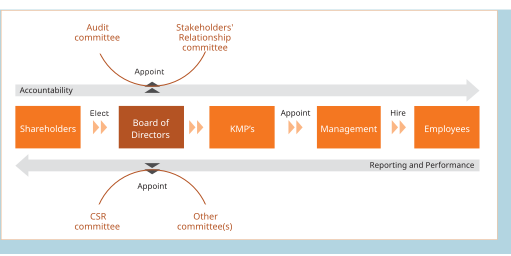
During the reporting year, Adani Energy Solutions undertook key enhancements to its governance structure. The governance committees were enhanced with greater independent director representation and sharper mandates for improved oversight. Key policy reforms were introduced to improve transparency, compliance, and ethical conduct, with notable changes to the Code of Conduct and whistleblower mechanism. These measures have further reinforced Adani Energy Solutions’ governance architecture, ensuring it remains agile and responsive to evolving regulatory and stakeholder requirements.
Board Structure and Composition
Board Composition4
Non-Executive Independent Directors
2
Executive Directors
2
Other Non-Executive Non-Independent (Promoter) Directors
(Out of the total 08 Directors on the Board, 03 are independent or non-executive members with industry experience)
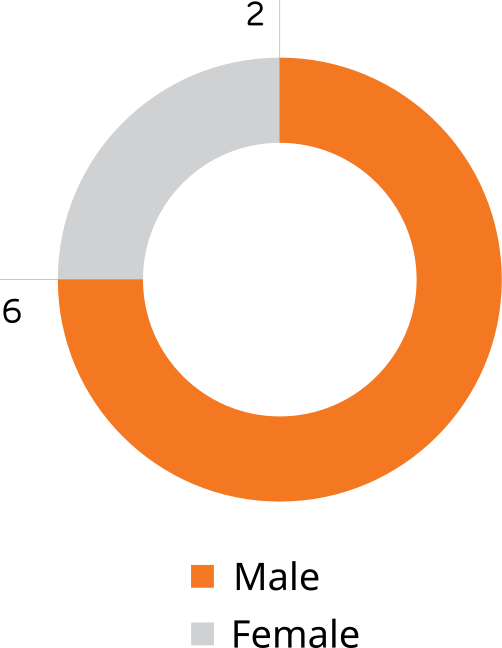
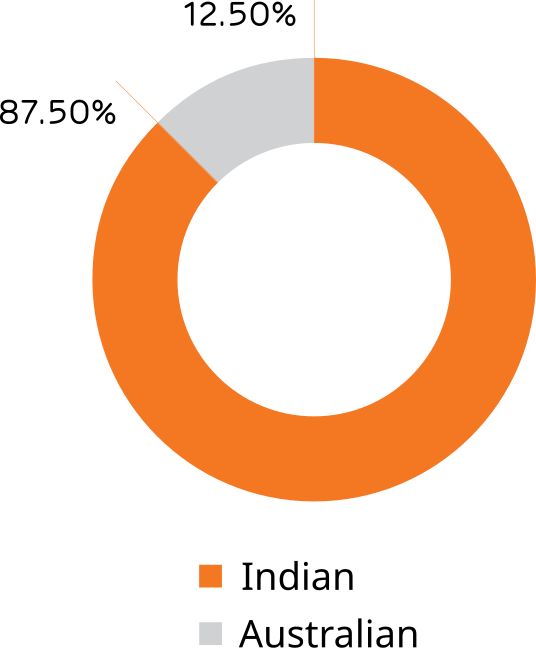
64
years
5
0 – 5 Years
1
6 – 10 Years
2
More Than 10 Years
4.74
Average Tenure (Years)
*There are no under-represented social groups in our governance body.
At Adani Energy Solutions, the Board’s composition fully meets the requirements laid out in the Companies Act 2013, SEBI Listing Regulations, and other applicable laws. It aligns with Regulation 17 of the SEBI Listing Regulations and Section 149(4) of the Act, in line with SEBI’s rule for the top 1,000 listed companies.
Our Board is thoughtfully structured to balance executive leadership with independent oversight. It comprises an optimal mix of experienced non-executive and independent directors, ensuring leadership continuity and robust oversight. Regular reviews, stakeholder engagement, and strategic discussions help ensure the Board and senior management respond effectively to sectoral shifts, stakeholder expectations, and emerging risks.
In accordance with the provisions of Section 14 of the Companies Act, 2013, any alteration to the Articles of Association (commonly referred to as the bylaws) of Adani Energy Solutions shall be effected only by passing a special resolution at a general meeting of the shareholders. The Board must first approve the proposed amendments to the Directors and subsequently place them before the shareholders for their consideration and approval.
Board Composition and Diversity
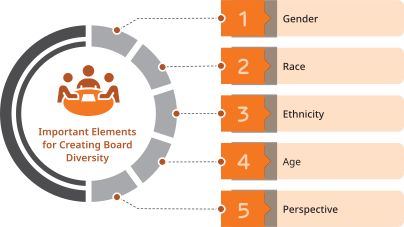
A well-balanced and diverse Board enhances the effectiveness of governance and decision-making at Adani Energy Solutions. The Directors bring deep expertise across domains such as energy, infrastructure, public policy, finance, legal, and social development. The Board also reflects diversity in gender and professional backgrounds, including engineering, law, public administration, and international trade, enriching its collective expertise. Such diversity strengthens Board deliberations by bringing varied perspectives and relevant industry insights, enhancing our ability to anticipate risks, evaluate opportunities, and deliver long-term stakeholder value.
⊕ Read further Board Diversity Policy
Board’s Independence
Adani Energy Solutions has established its own independence criteria for Board members, ensuring that directors are free from any material relationships that could compromise their objectivity and integrity. These criteria include restrictions on prior executive employment with the Company, financial transactions exceeding defined thresholds, and familial ties to current executive officers. Directors are also required to have no affiliations with major suppliers, customers, or advisory roles, and must not hold personal service contracts or positions within entities receiving significant contributions from Adani Energy Solutions.
Furthermore, individuals who have served as partners or employees of the Company’s external auditors within the past year are disqualified from Board service. Any other potential conflicts of interest are assessed by the Board to determine whether they impair independence. This framework ensures that Board oversight remains impartial, strategic, and aligned with stakeholder interests.
Oversight from the Board, Board’s Committees and the Leadership
Board’s Role and Responsibilities
The Board is entrusted with setting the Company’s long-term direction, overseeing risk management, and safeguarding the interests of investors, stakeholders, and regulators. It sets the Company’s vision, approves strategic priorities, and ensures appropriate systems are in place to monitor performance, compliance and internal controls. The Board maintains independent oversight, distinct from management’s execution of day-to-day operations, to uphold accountability and sound governance.
The Board also guides the formulation of governance policies, periodically reviewing and approving them to align with evolving regulations and best practices. The management proposes policy updates, which are carefully evaluated and ratified by the Board, ensuring a resilient and future-ready governance framework.
Board’s Oversight on Sustainability and ESG Impacts
The Board has appointed its Corporate Responsibility Committee (CRC) as the apex governance body responsible for steering the Company’s environmental, social, and governance (ESG) agenda. It comprises directors with deep expertise in governance, public policy, and strategic leadership. The CRC ensures that Adani Energy Solutions’ ESG commitments are not only aspirational but also measurable and actionable. At the management executive level, the CRC is supported by the designated Chief Sustainability Officer (CSO), who plays a pivotal role in translating Board-level ESG strategy into actionable initiatives across the organisation. Together, they facilitate regular briefings to the Board, ensuring integration of stakeholder’s feedback into strategic planning and policy formulation and aligning our ESG and climate strategy with the global & national frameworks.
⊕ Read more about our Sustainability Governance in the Risks and Opportunities section on Pg. 70
Managing the ESG Impacts
Together, the Board and the CRC actively engage with stakeholders to integrate their concerns and expectations into the Company’s strategic planning and operations. The Board also plays a pivotal role in defining, approving, and periodically updating the organisation’s purpose, values, or mission. It guides the formulation of strategies, policies, and targets, ensuring ESG considerations are embedded into core business decisions to meet regulatory requirements and generate meaningful societal and environmental impact.
Separation of Oversight and Execution
Adani Energy Solutions maintains a clear separation between governance oversight and execution. The Board exercises independent supervision through its committees, while operational responsibilities are formally delegated to management, ensuring disciplined governance and strong accountability. The roles of Chairperson, Managing Director, and CEO at Adani Energy Solutions are formally separated. Mr Gautam Adani serves as the Non-Executive Chairman, Mr Anil Sardana as the Managing Director and Mr Kandarp Patel is appointed as Whole-time Director & CEO w.e.f. May 31, 2025.
Board Committees and Responsibilities
The Board has constituted a framework of statutory and non-statutory committees that serve as extended arms of the Board in strengthening governance effectiveness and operational oversight. These committees operationalise the Board’s directives, oversee various business functions and support management in disciplined execution. Each committee comprises an optimal blend of executive, non-executive, and independent directors and operates under defined Board-approved charters. The Board maintains direct oversight of all committee activities and retains authority over all critical matters. Minutes of meetings and updates on critical matters are regularly presented to the Board for review. The Board and its committees regularly deliberate on strategic priorities such as sustainability, financial performance, risk mitigation, and regulatory compliance, ensuring discipline and oversight. During the reporting year, no critical concerns were escalated to the Board, demonstrating robustness of the committee structure in preemptive issue resolution and strategic alignment.
Board Committee Composition Snapshot
Statutory Committees
100%
Audit Committee
100%
Nomination & Remuneration Committee
67%
Stakeholders’ Relationship Committee
80%
Corporate Social Responsibility Committee
Non-Statutory Governance Committees
100%
Corporate Responsibility Committee
100%
Public Consumer Committee
67%
Information Technology & Data Security Committee
67%
Risk Management Committee
Sub-Committees of Risk Management Committee
67%
Mergers & Acquisitions
75%
Legal, Regulatory & Tax
67%
Reputation Risk Committee
% - Composition (Independence & Non-Executive)
64%
of both statutory and non-statutory committees are chaired by Independent Directors, reflecting our commitment to objective and unbiased decision-making.
Chair of the Highest Governance Body
The Chair of the highest governance body plays a crucial role in the effective functioning and management of the organisation.
Key Responsibilities
- Leads Board meetings and sets agendas for focused discussions and informed decision-making
- Serves as a key link between the Board and senior management, ensuring clear communication and strategic alignment
- Strengthens leadership continuity and governance stability
Together with the Board, promotes accountability, transparency, and regulatory compliance, reinforcing investor confidence.
Board Nomination and Selection
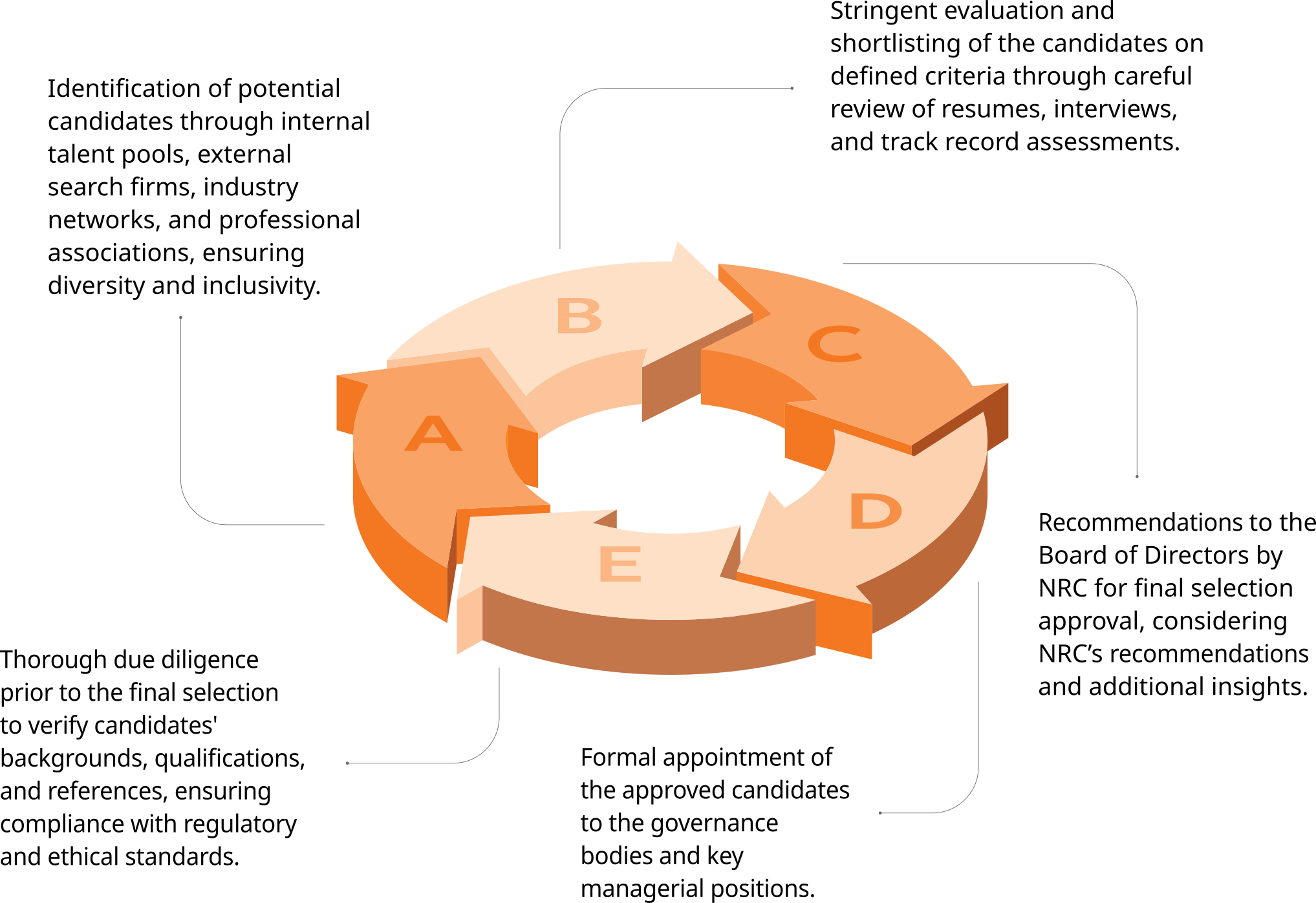
The Nomination and Remuneration Committee (NRC) identifies, evaluates and recommends candidates for appointments to the Board, its committees and key managerial positions. The involvement of all Independent Directors in the nomination and selection process ensures fairness, impartiality and objectivity. The NRC aligns the selection criteria, desired experience and competencies with Adani Energy Solutions’ strategic objectives, long-term goals and regulatory requirements, enabling a strong, future-ready leadership team.
⊕ Read more under Corporate Governance Report Pg. 374
Desired Board Competencies

Selection Process
Board’s Accountability and Effectiveness
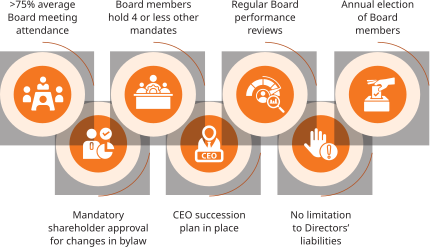
Key Measures to Ensure Board’s Accountability
Board’s Performance Evaluation
The Board undertakes an annual evaluation of its own performance, along with that of its committees and individual directors, covering composition, competencies, attendance, and strategic oversight. The Nomination and Remuneration Committee (NRC) oversees this process and reviews succession planning for the CEO and senior leadership. The Board members are subject to annual reappointment, with no limitations on directors’ liabilities, reinforcing accountability. The Board also monitors external mandates to ensure Directors maintain adequate focus and effectiveness. Evaluation outcomes are deliberated at the Board level and enriched through stakeholder feedback gathered through monthly reports and quarterly reviews and facilitated by the Stakeholder Engagement and Corporate Responsibility Committees.
The governance practices are validated through independent assurance and compliance with SEBI Listing Regulations.
Evaluation Outcomes in FY 2025-26
The evaluation informed improvements in governance practices and Board composition, aligning expertise with emerging priorities. Based on these outcomes, the Board appointed Mr Kandarp Patel as Whole-time Director & CEO, ensuring alignment between executive leadership and governance.
⊕ Read more under Directors’ Report Pg. 346
Board’s Remuneration
The Nomination and Remuneration Committee oversees all compensation matters, ensuring alignment with strategic objectives, ESG targets and shareholder expectations. Compensation practices are periodically reviewed and benchmarked against industry standards to maintain internal equity and external competitiveness.
Non-executive Directors receive commission-based remuneration (capped at 1% of net profits) and sitting fees for Board and committee meetings, balancing fair compensation with independence. Shareholder input is integrated through voting on remuneration resolutions, and no external consultants are engaged in the process.
35%
Budget Delivery
20%
Financial Metrics (EBITDA, ROCE, free cash flow)
25%
ESG Outcomes (decarbonisation, CSA scores, capital execution, and smart meter rollouts)
35 years
Project commissioning aligned with IRR and commercial operation timelines in line with the asset life
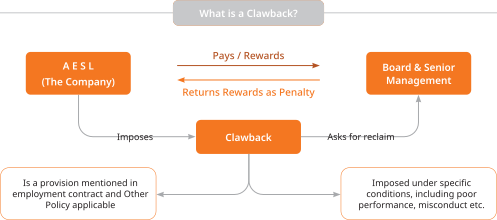
A formal Clawback Policy applies to the CEO and senior executives, enabling recovery of variable pay in cases of misconduct or material misstatement.
CEO to Employee Pay Ratio₹ 20.30 crore
Salary drawn by the CEO
₹ 15.63 lakh
Median remuneration for all employees excluding CEO
1:129.92
CEO to employee compensation ratio
Board’s Familiarisation and Competence Building
Adani Energy Solutions enhanced the Board’s capabilities through year-round education, enabling informed decisions and the Board’s overall effectiveness:
- Induction sessions for new and existing Directors covering the Company’s code of conduct, risk management framework, and compliance protocols
- Regular updates on regulatory changes and industry best practices
- Targeted workshops and briefings on finance, operational excellence, digital transformation, and strategic planning.
Developing Board’s ESG Capabilities
Adani Energy Solutions’ Board is responsible for integrating climate and ESG principles into business strategy. We strengthened Board’s ESG understanding through specialised training on sustainability reporting, climate risk assessment, and ethical leadership. External experts were invited to conduct seminars on global ESG standards and regulatory expectations. Key areas of competencies enhancement included stakeholder engagement, diversity and inclusion, supply chain sustainability, and responsible investment practices. Continuous Board development remains a priority, with programmes planned for the forthcoming year to address emerging areas such as digital innovation, cyber security, and advanced ESG metrics.
⊕ Read more under the Corporate Governance Report Pg. 374
⊕ Read more under BRSR-Principle 1 on Pg. 439
Management Ownership
Adani Energy Solutions has 50.08% by SBAFT 72.73% overall promoter group holding of its equity held by the S. B. Adani Family Trust. The Company’s executive leadership, including the Chief Executive Officer, Managing Director, and Chief Financial Officer, does not hold direct shares in Adani Energy Solutions. There is no government ownership in the Company, and the Company does not possess any golden shares designated for governmental institutions.
Integrating Ethics and Compliance
Code of Business Ethics and Conduct
Ethics at Adani Energy Solutions drives culture, behaviour, and builds trust with all stakeholders. Our foundation is built on a comprehensive Code of Business Ethics and Conduct, supported by regular audits, whistleblower mechanisms, and continuous education. The Code applies to all our directors, senior management, employees, and business partners.
In FY 2025-26, we achieved 100% training coverage for ethical standards, with zero reported penalties or sanctions for noncompliance during the reporting period.
Adani Energy Solutions’ Code of Business Ethics and Conduct
⊕ Read further Directors & Senior Management Code of Conduct
⊕ Read further Corporate Supplier Code of Conduct
⊕ Read further Employee Code of Conduct
⊕ Read further Guidance for COC - Employees

Managing Conflicts of Interest
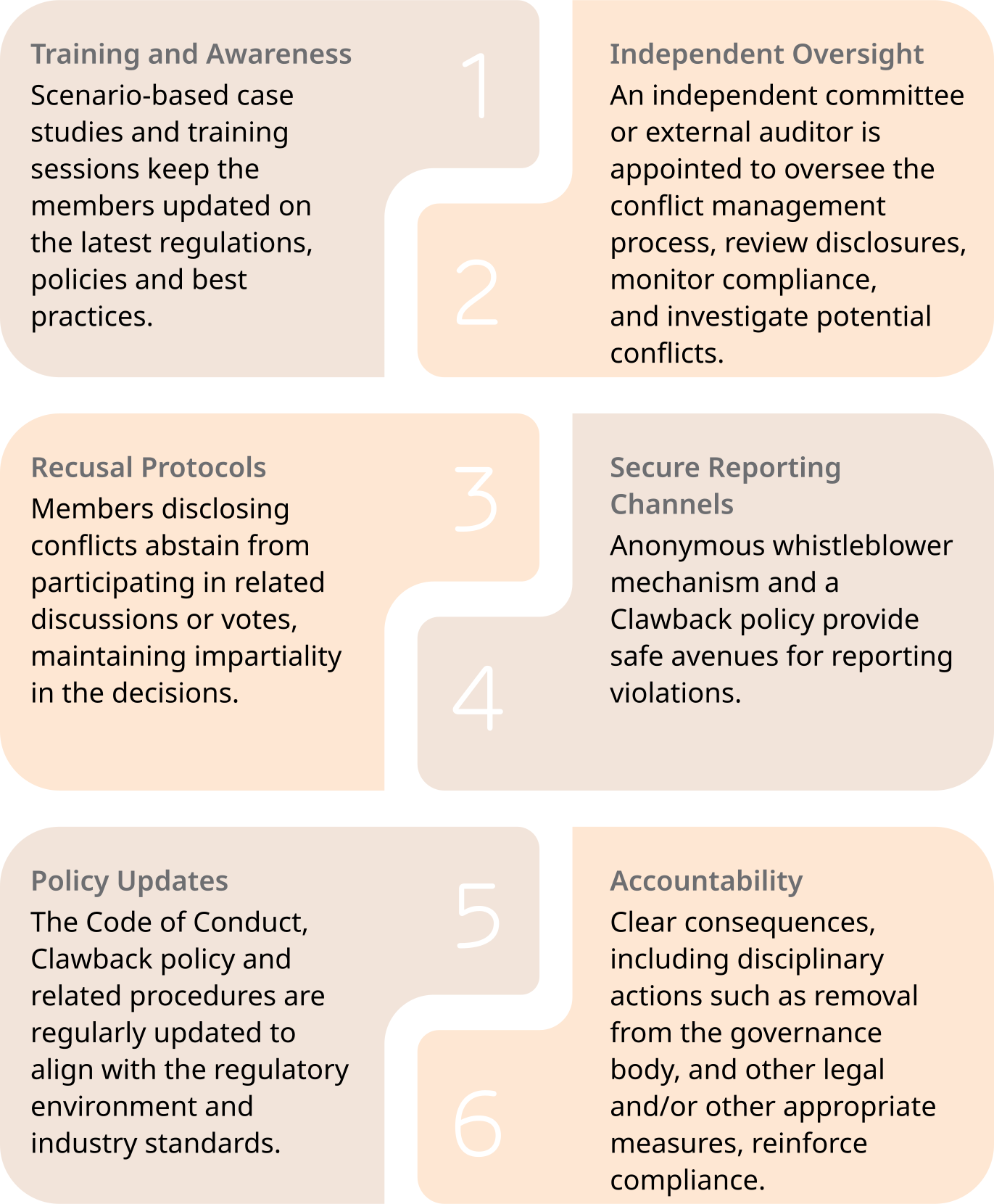
Maintaining integrity in decision-making is the cornerstone of governance. The Code of Conduct for Directors and senior management provides clear guidelines to prevent conflicts of interest and requires them to avoid any activities or relationships that could lead to conflict with the Company’s interests. It mandates prompt disclosure of any actual or potential conflict of interest to the Company Secretary.
All disclosures, actions, and decisions are documented for review and audits by the oversight committee and external auditors. The Board members submit annual disclosure statements detailing their financial interests, directorships, employment positions, and any other affiliations that could potentially influence their decisions, including immediate updates for any new potential conflicts.
ZERO cases of conflicts of interest were reported in FY 2025-26, including cross-board membership, cross-shareholding with suppliers and other stakeholders, the existence of controlling shareholders and related parties, their relationships, transactions, and outstanding balances.
⊕ Read more under the BRSR-Principle 1 Pg. 439
Proactive Measures to Prevent Conflict
Anti-Bribery and Anti-Corruption
Adani Energy Solutions upholds a strict zero-tolerance policy towards bribery and corruption as part of its governance and compliance framework. In FY 2025-26, the Company reported zero cases* of bribery, corruption, or disciplinary action involving directors, key managerial personnel (KMPs), employees, or workers. This strong track record marks the effectiveness of our internal controls and ethical culture. Vigilance and enforcement are strengthened through anonymous whistleblower channels, periodic audits, and oversight by an independent committee, ensuring any misconduct is promptly addressed and transparently recorded.
* During FY 2022-23, a short seller report raised allegations against Adani Group entities, including Adani Energy Solutions Limited, which were subsequently addressed through legal and regulatory reviews. On January 3, 2024, the Hon’ble Supreme Court directed SEBI to conclude two remaining investigations, which Adani Energy Solutions believes have since been completed. The Company received show cause notices during FY 2024-25 regarding a former auditor’s peer review certificate and historical shareholding classification, both of which were duly responded to and have no bearing on current compliance. In November 2024, the non-executive director of Adani Energy Solutions was named in legal proceedings by the US DOJ and SEC, though the Company itself is not involved. Based on legal opinions, regulatory updates, and internal reviews, Adani Energy Solutions concluded that these matters do not materially impact its financial statements or compliance status.
100% stakeholder groups, including the Board of Directors, senior management, employees, suppliers (Tier 1 on whom PO whom the PO/SO order was placed in the reporting period) and contract workers were trained on anti-bribery and anti-corruption policies, as part of a wider initiative to ensure awareness and adherence to the Company’s Code, which also covers human rights, environmental sustainability, and responsible business practices.
Whistleblower Mechanism
Adani Energy Solutions maintains a secure and accessible whistleblower mechanism enabling employees, Directors and stakeholders to report concerns related to unethical behaviour, policy violations, or governance breaches. It is overseen by the chairman’s office. It allows for anonymous, multi-lingual reporting through different modes of communication, including online and written submissions.
All disclosures are treated confidentially, with a zero-tolerance policy against retaliation to protect individuals who report in good faith. Employees receive mandatory annual training on using the system, supported by scenario-based learning modules. The whistleblower policy outlines a transparent investigation process that ensures every case is addressed fairly, diligently, and with integrity.
⊕ Read further Whistleblower Policy
Reported Violations in FY 2025-26Incidents of Violations
Nil
Money Laundering or Insider Trading
Nil
Corruption & Bribery
Nil
Conflicts of Interests involving Directors and Senior Management Personnel
Nil
Anti-Competitive Practices, Anti-Trust and Monopoly
01 (PoSH)
Employee Misconduct
01 (PoSH)
Workplace Harassment and Discrimination
Nil
Health, Safety and Environment
Nil
Others
Corporate Governance and Sustainability Policies
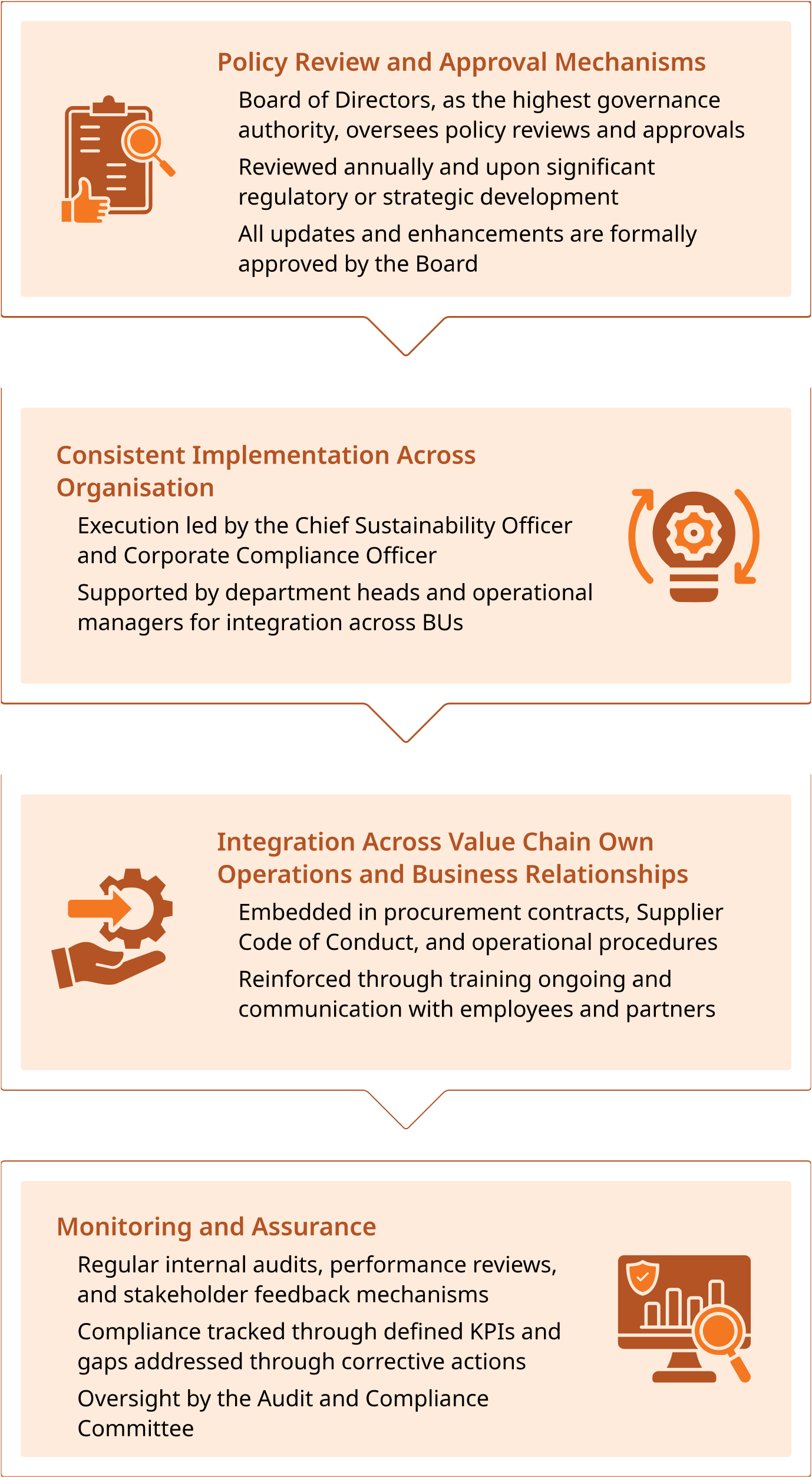
Adani Energy Solutions’ policy architecture is designed to anticipate risks, seize opportunities, and align with global best practices. These policies are crafted to address material issues with precision and purpose encompassing ethical conduct, environmental stewardship, and social responsibility. Notably, the Company is a signatory to the India Business and Biodiversity Initiative (IBBI) 2.0 and has committed to Net Positive Gain in biodiversity by FY 2024-25. Policies are reviewed periodically, informed by stakeholder feedback, regulatory developments, and internal assessments, ensuring that Adani Energy Solutions remains adaptive and forward thinking.
In FY 2025-26, Adani Energy Solutions undertook comprehensive reviews of its Corporate Governance and Sustainability Policies, which led to updates in the environmental targets and enhanced supplier engagement requirements. These changes were approved by the Board and communicated to all stakeholders.
Integration of Policies
Policy Influence and Advocacy
At Adani Energy Solutions, we recognise that energy transition cannot be achieved by infrastructure alone; it requires enabling policies, collaborative dialogues and regulatory foresight. Our public policy advocacy and lobbying engagements with regulators, ministries & government bodies, think tanks and Trade & industry associations focus on accelerating climate action and decarbonisation by enabling a smarter, more efficient energy ecosystem. We actively participate in sectoral and global forums to amplify our voice on climate action, advocating for policies that promote renewable integration, decentralised energy solutions, demand-side efficiency, grid modernisation, electric vehicle infrastructure and sustainable finance. Stakeholder engagement is central to this process, with targeted communication and consultation to inform policymakers and strengthen collaborative dialogue. Our internal procedures are guided by research-led policy inputs to influence decision makers on ESG-related matters. This approach ensures our public policy positions are evidence-based, strategically-aligned, and contribute effectively to our long-term ESG goals.
⊕ Read more about Our Focus Areas of Policy Influence in the Environment section on Pg. 154
Policy Advocacy Governance
A clearly defined governance structure provides oversight at the highest level, ensuring integrity, transparency and alignment of the Company’s policy positions with the national priorities.
- The Board and its Corporate Responsibility Committee (CRC) provide strategic direction and oversight of our policy advocacy and lobbying activities, with periodic reviews
- Senior leadership teams execute policy engagements in line with approved priorities
Responsible & Climate-Aligned Engagement
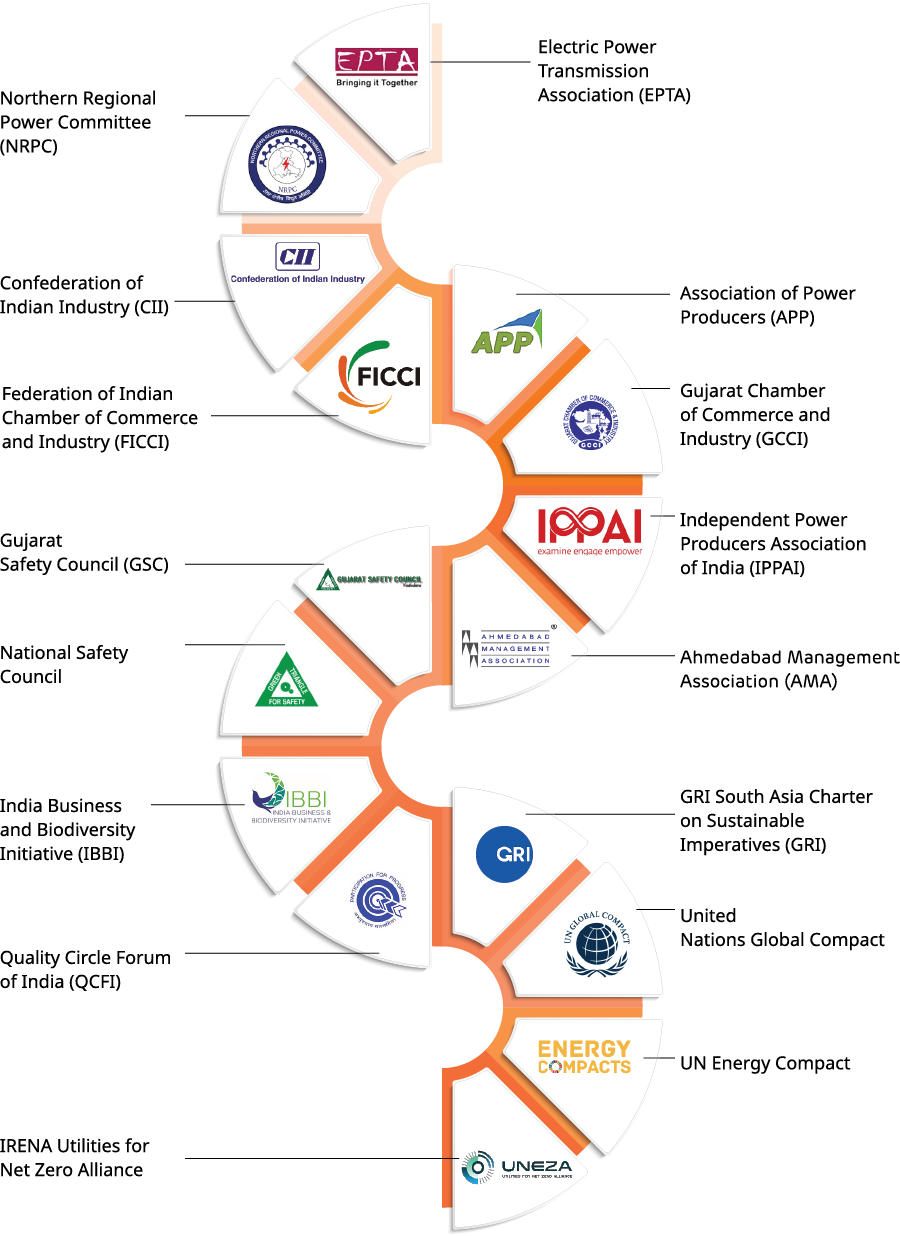
All advocacy efforts are aligned with the goals of the Paris Agreement. Before engaging with any trade association, we conduct preliminary research on whether the association’s policy positions are consistent with the principles of the Paris Agreement. We rethink continual engagement from trade associations that do not support, or, are not aligned with the Paris Agreement. This approach enables the Company to avoid any misalignment between its stance on climate change and its public policy engagements.
Global Collaborations for Climate Action
Adani Energy Solutions is:
- A member of the IRENA Utilities for Net Zero Alliance
- A Signatory to the United Nations Global Compact (UNGC)
- Aligned with the UN Energy Compact
Supporting ESG Outcomes Through Policy Advocacy
Our advocacy and lobbying agenda is rooted in clear, measurable outcomes, with progress and annual disclosures required against two core KPIs:
- Increase renewable share in the power mix to ≥60% by FY 2026-27 and ≥70% by FY 2029-30
- Reduce Scope 1 & 2 GHG-intensity per EBITDA by 60% by FY 2028-29 from the FY 2018-19 baseline
Policy Influence Areas
 Focus Area
 Description
Zero
Adani Energy Solutions’ contributions as annual subscription fees towards affiliated trade associations at national and state level in FY 2025-26
Nil
Total monetary value of financial and in-kind political contributions made directly and indirectly by the organisation in FY 2025-26
Key Trade & Industry Associations and Global Collaborations Followed & Promoted
Cybersecurity and Data Privacy
Governance Framework
In an increasingly digital and interconnected energy ecosystem, strong cybersecurity and data privacy practices are essential to protect critical infrastructure, customer information, and operational continuity. As Adani Energy Solutions expands its energy infrastructure, safeguarding systems from evolving cyber threats is vital to maintain stakeholder trust, ensure regulatory compliance, and support reliable, uninterrupted power delivery.
 FOUNDATIONAL FRAMEWORK
Board-Approved Policies and Procedures
Ensure integrity and confidentiality of information assets
Certified Systems and Global Standards
ISO 27001:2001 (Information Security Management Systems)
ISO 22301:2019 (Business Continuity Management Systems)
NIST Cybersecurity Framework provides global best practice resilience
 OVERSIGHT AND ACCOUNTABILITY
Information Technology and Data Security Committee (IT&DS)
Provides strategic direction and oversight at the top-level
Guides Cybersecurity, data protection, and privacy practices
Reviews organisational resilience against cybersecurity risks
Risk Management Committee
Oversees cyber risk management, along with the IT&DS Committee, through Enterprise Risk Management (ERM) framework
Chief Information Security Officer, CISO
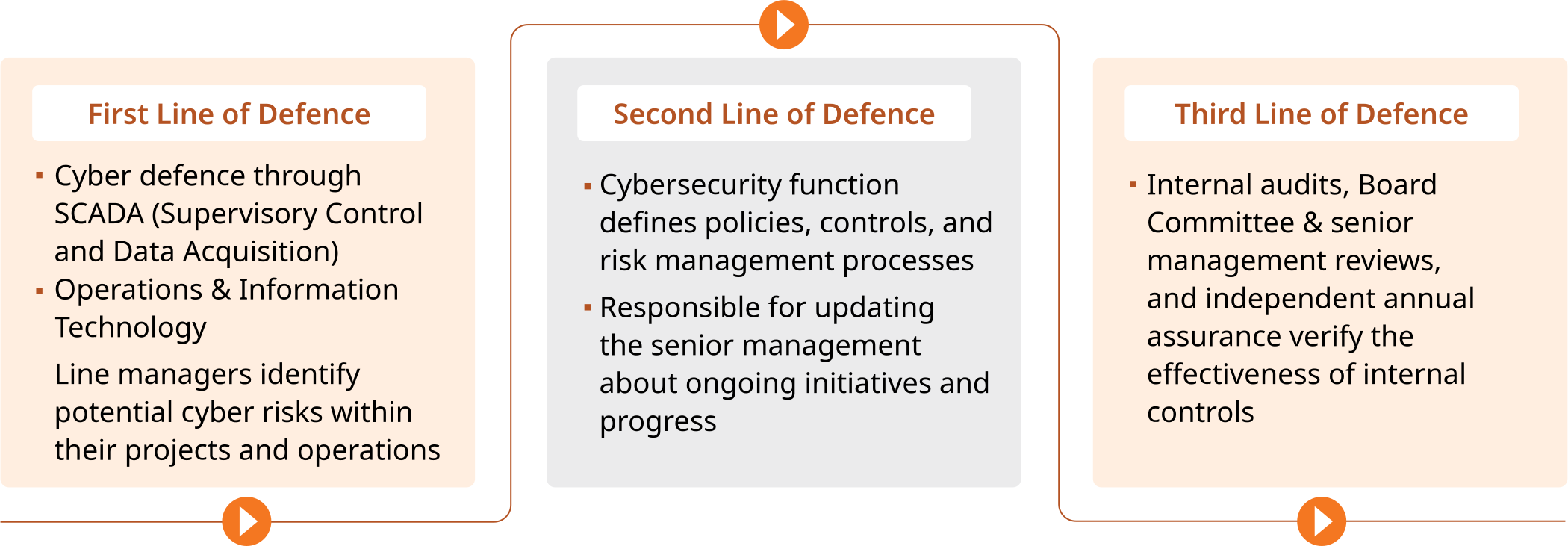
Manages information security risks through the ‘Three Lines of Defence Model’ with defined treatment plans
Drives implementation of related policies and strategies
Apprises Board Committee on organisation’s preparedness through scheduled half-yearly meetings or ad-hoc briefings, as required
Information Security and Data Privacy Architecture
Three Lines of Defence Model
Layered Controls for Defence in Depth
Preventive Controls Layer Controls
- EDR implemented for Endpoint Security
- Secure Configurations as per CIS benchmarks
- Identity & Access Management – AD integration, MFA, least privilege
- Application and API Security – SDL, secure coding, OWASP Top 10 controls
- IT and OT Network Segmentation and iDMZ
- Strong Cryptography – AES-256, TLS 1.2+
Detective Controls Layer Controls
- SIEM & SOC Monitoring
- Logging & Monitoring – mandated in OT iDMZ discussions
- Threat Intelligence & External Threat Monitoring
Containment & Response Controls Layer Controls
- Playbooks & IR procedures
- Cybersecurity crisis management plan
- Table-Top exercise
- Backup & restore mechanisms
- Forensic readiness
Recovery & Resilience Layer Controls
- DR capabilities aligned with ISO 27031 & 22301
- Annual DC-DR drill
- Ransomware protection solution
- Asset criticality mapping & resilience rating
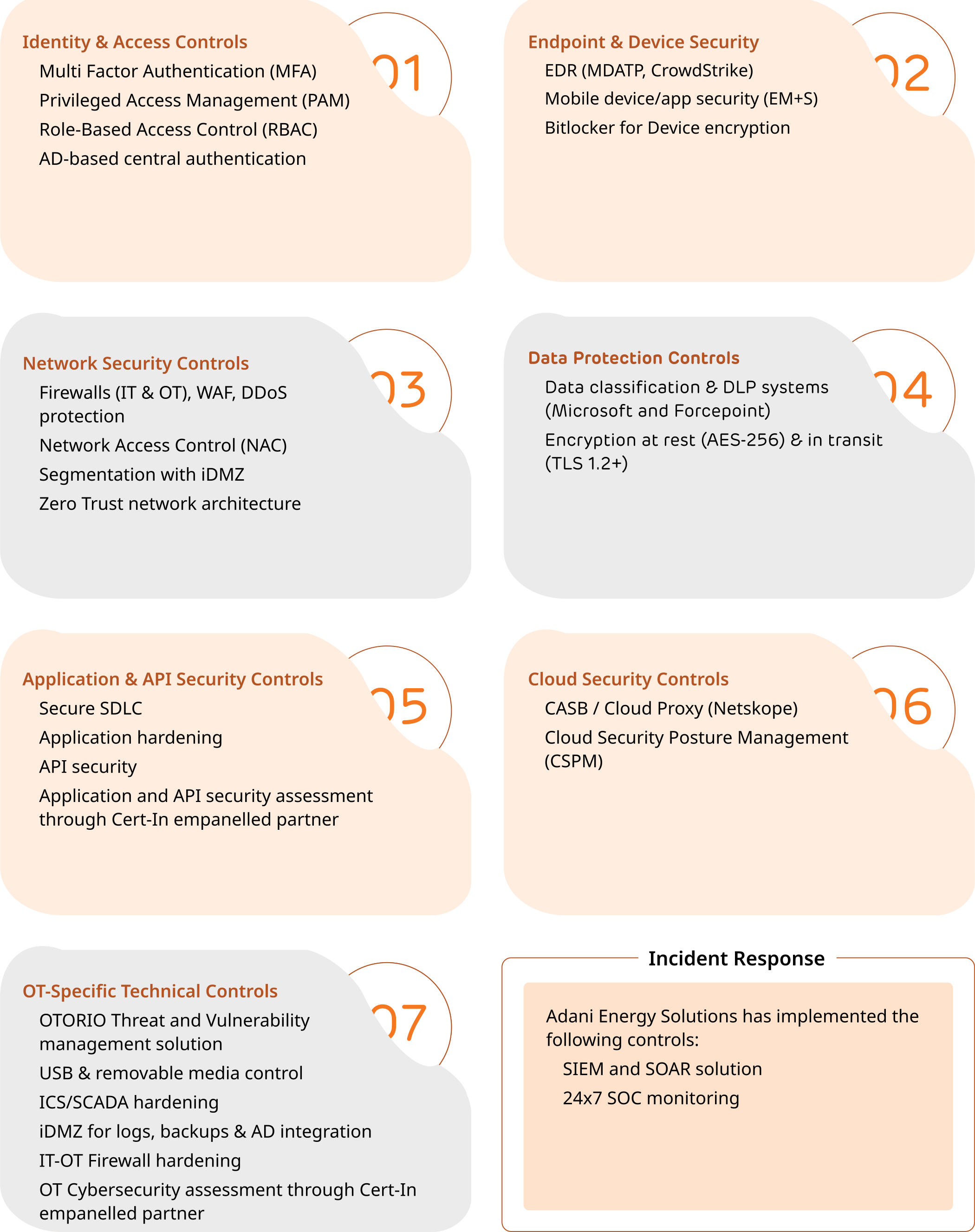
Technical Controls
Compliance Measures
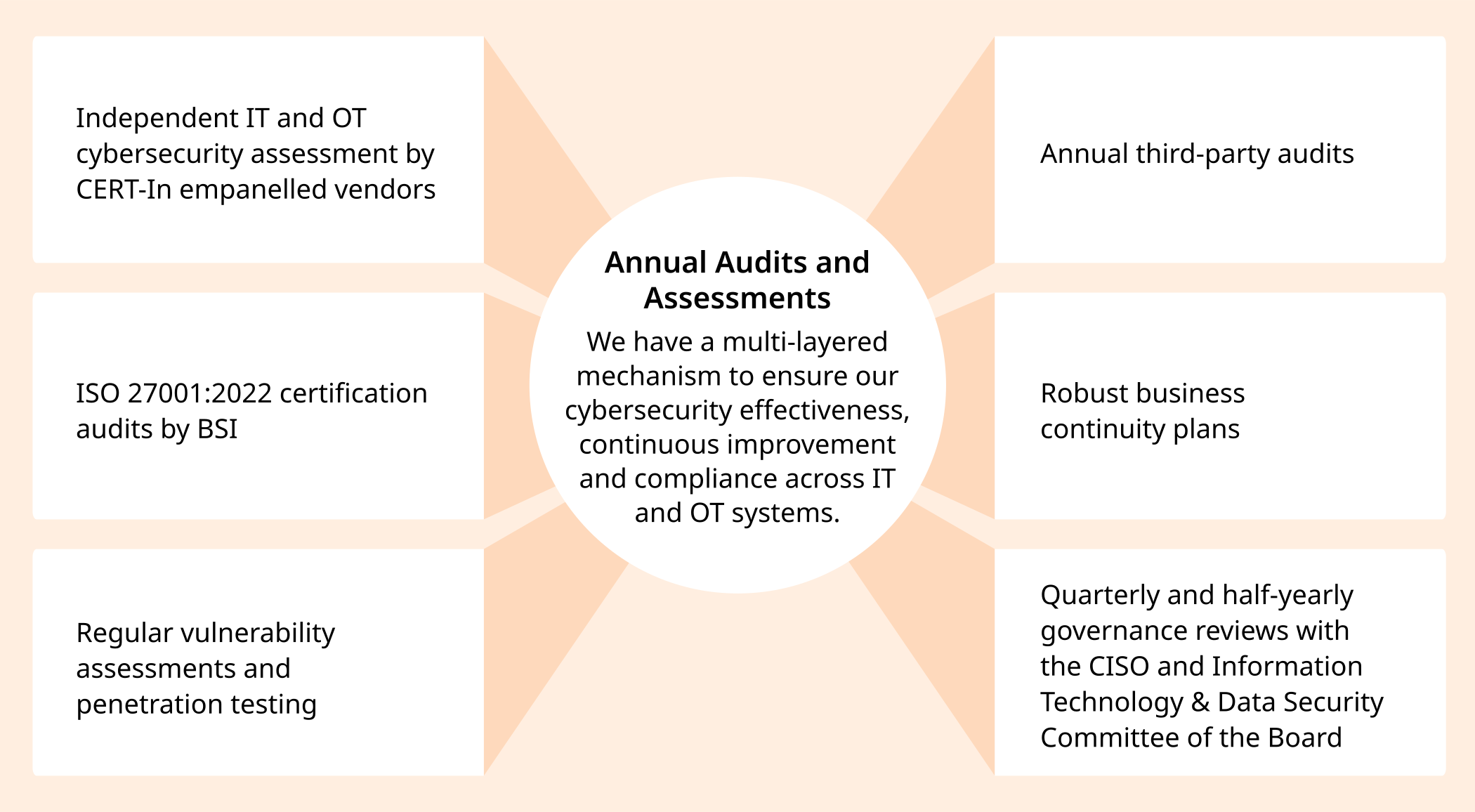
Cyber Hygiene and Awareness
We promote a strong cyber-aware culture by embedding everyday digital safety practices and continuous learning across the organisation. This approach ensures our employees remain vigilant, informed and equipped to safeguard critical systems and data.
Employees are encouraged to follow essential practices that strengthen the organisation’s cyber resilience.
- Use of strong, unique passwords and update them regularly
- Multifactor authentication (MFA) for an added layer of security
- Keep software and systems updated with the latest security patches
- Back up critical data regularly to secure locations
- Identify and report incidents, vulnerabilities and suspicious emails or links through a predefined escalation process
- Authorised software installation on enterprise information assets
- Continuous technical vulnerability management solutions across all enterprise assets
- Maintaining audit logs to detect, understand, or recover from attacks
- Lifecycle management of user access across enterprise assets
To address evolving cyber risks, Adani Energy Solutions continuously invests in employee education to enhance its responsiveness to emerging threats and vulnerabilities.
- Mandatory annual Cyber Security Awareness Course and refresher trainings for all employees, including senior management and new hires
- Regular campaigns, webinars and workshops on emerging cybersecurity threats, best practices and incident response protocols
- Specialised training for teams handling operations and maintenance of ICT infrastructure
- Access to online cybersecurity courses and certifications
- Regular phishing exercises, drills and simulations to enhance employee readiness
- Encouraging participation in cybersecurity communities and forums to stay updated on emerging trends
We have structured evaluation mechanisms to evaluate the effectiveness of awareness programmes, which include:
- Periodic assessments and quizzes to gauge employees understanding
- Monitoring and analysis of security breaches linked to human error
- Feedback surveys to improve training content and delivery
- Monitoring compliance with cybersecurity policies and procedures
Complaints related to Breach of Customer Data Privacy and Customer Data Loss
| Particulars | Complaints Reported in FY 2025-26 |
|---|---|
| Number of complaints received from the outside parties and substantiated by Adani Energy Solutions | Zero |
| Number of complaints received from the regulatory bodies | Zero |
| Total number of identified leaks, thefts, or losses of customer data | Zero |
Data Privacy: Policy and Procedures
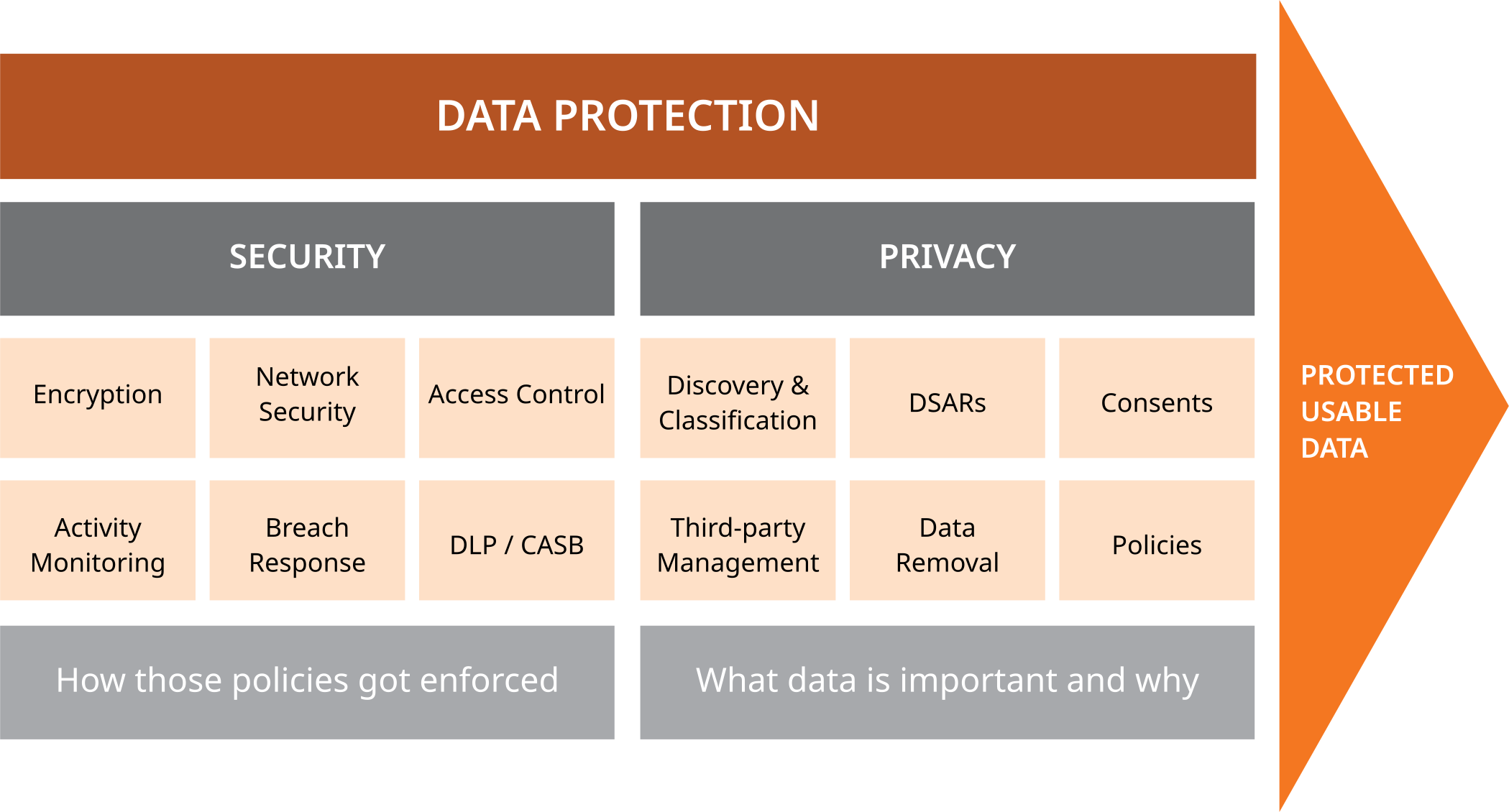
The Company recognises that its networked data and corporate activities require diligent information management to mitigate risks such as legal exposure, reputational damage and exclusion from certain activities. Adani Energy Solutions has established an enterprise-wide framework to effectively implement its privacy policy across the entire operations.
Core Implementation Measures
Applicability of privacy policy applies to the entire operations, including suppliers & customers
Designated person and/or department for stakeholders to report any privacy issues or concerns
Privacy protection system included in the overall operational risk/compliance management structures of the Company
Zero tolerance policy with strict disciplinary actions in case of privacy breach
Regular internal audits to ensure policy compliance
Periodic third-party audits for independent assurance of the policy and controls
⊕ Read further our Data Privacy Policy
Customer Privacy Information
1. Nature of Information Captured
AEML collects and processes customers’ personal data from customers to provide electricity and related services. Information is gathered through direct interactions with our website, app, customer care, third-party sources, and automated technologies such as cookies.
The categories of data we collect include, but are not limited to:
Contact Information
Name, email address, postal address, country, phone number, and similar data
Financial Information
Payment instrument details (excluding card details), transaction history, payment preferences, and related data
Technical Information
Device and website/app usage data, IP address, cookies, pixels, and similar technologies
Product and Service Information
Account and membership numbers, registration details, feedback, and service usage information
Loyalty Programme Information
Membership and account details, profile information
Transaction Information
Date, amount, and details of transactions
Other Information
Age, gender, date of birth, marital status, nationality, occupation, and any other voluntarily provided details
Location Information
Collected during use of services that require geolocation (e.g., navigation or mapping).
2. Use of Customer Data
The customer data is used for defined primary and secondary purposes, governed by applicable data protection laws and as detailed in the Data Privacy Policy’s “Our Use of Data” section.
Primary Uses
- To provide, improve, and personalise our electricity and related services
- To conduct marketing, promotional campaigns, and loyalty programmes (with consent where required)
- To process, manage, and account for customer transactions
- To protect against fraud, unauthorised access, illegal activities, and to comply with legal obligations
- To communicate with customers regarding services, confirmations, invoices, and updates
- To enhance website/app performance, security, and customer experience
- To deliver customer support and respond to queries or complaints
Secondary Use
- Analytics, targeted advertising, and sharing feedback for marketing purposes
3. Customer Control Over Data
AEML empowers customers with clear rights and choices regarding their personal data, including:
Opt-In/Opt-Out
Customers may opt-in to, or opt-out of, marketing communications and certain data processing activities. Unsubscribe links are provided in all marketing emails
Data Access
Customers have the right to request details of personal data held by AEML
Data Correction
Customers may request correction or updating of inaccurate or incomplete data
Data Deletion (“Right to Erasure”)
Customers may request deletion of data under specific circumstances, subject to legal obligations
Data Transfer
Customers can request transfer of their data to another entity or service provider, where technically feasible
Restriction and Objection
Customers have the right to restrict certain processing or object to processing where permitted by law
Withdrawal of Consent
Customers may withdraw consent for processing at any time for activities based solely on consent
Nomination
Customers may nominate another individual to exercise their rights in the event of incapacity or death
Grievance Redressal
Customers have access to a grievance redressal mechanism, including direct contact with the designated Grievance Officer
All requests can be made via the contact details provided in our Data Privacy Policy and will be processed within the legally stipulated timelines. For more information, customers may refer to the “Your Rights and Choices” section of our policy.
4. Data Retention Policy
Personal data is retained by AEML as long as necessary for service delivery, legitimate business purposes, and legal regulatory, and contractual compliance. Retention periods may vary by data type and purpose. Data may persist in backup or archival media for audit, legal, tax, or regulatory purposes, even after deletion. This retention policy is publicly disclosed in the “Retention of Data” section of our Data Privacy Policy.
5. Data Protection Measures
Our key technical and organisational measures to safeguard customer data include:
- Storing personal data on secure servers with restricted access
- Ensuring access controls on mobile devices and platforms
- Implementing systems to detect, prevent, and respond to data breaches
- Conducting periodic security reviews and updates aligned with industry standards
- Requiring customers to keep account credentials confidential and promptly report suspected misuse
⊕ Read further “Data Security” section of the Data Privacy Policy.
6. Third-Party Disclosure Policies
AEML may share customer data under the following circumstances:
With Consent
Data is shared with third parties only with customer consent or as required to complete transactions or deliver requested services
Within the Adani Group
Data may be shared with Adani Group Entities and affiliates for internal business purposes, subject to legal requirements
With Vendors and Service Providers
Third-party providers may process data under contract to fulfil specific functions (e.g., payment processing, analytics, customer support)
Business Transfers
Data may be transferred as part of mergers, acquisitions, or restructuring
Legal Compliance
Data may be disclosed to comply with laws, regulations, or legal requests, or to protect AEML’s rights, property, or safety
Public Authorities
Data may be disclosed to public bodies as required by law or for the protection of vital interests
All disclosures are governed by our Data Privacy Policy and applicable law. Customers are informed of third-party sharing, and consent is obtained where required, especially for marketing or secondary data use. For more details, customers may refer to the “Sharing of Data” section of the privacy policy.
7. Monitoring and Reporting of Secondary Data Use
AEML does not publicly report the percentage of users whose data is used for secondary purposes (e.g., analytics, tailored advertising, or marketing), in line with our current Data Privacy Policy. No evidence of such public reporting or metrics is available on the corporate website or in the Data Privacy Policy as of the last update May 14, 2026. Customers are advised to consult the corporate website or contact AEML directly for the most current information on this aspect.
Data Privacy Support and Contact Information
We remain committed to transparency and responsible data management. We encourage customers to review our Data Privacy Policy for complete information. For any questions, requests regarding data rights, or to lodge grievances, customers may contact:
- General Enquiries: helpdesk.mumbaielectricity@adani.com
- Grievance Officer: Mr Naman Vyas
- Email: privacy.AESL@adani.com
All requests are addressed within 30 days as stipulated by law. Any updates to our privacy practices are communicated on our website with a revised “Last Updated” date.